Jul
23
2026
Accessibility has always been a foundational part of how Ideum designs and builds interactive experiences. From the first sketches of a new exhibit to the final installed touch table, we ask a consistent question: will this work for every visitor? That question has shaped our standards, our hardware, and our software, and influenced our collaborations with our clients across the country and around the world. Here’s a look at how that commitment has taken shape over the years, and why it continues to matter.
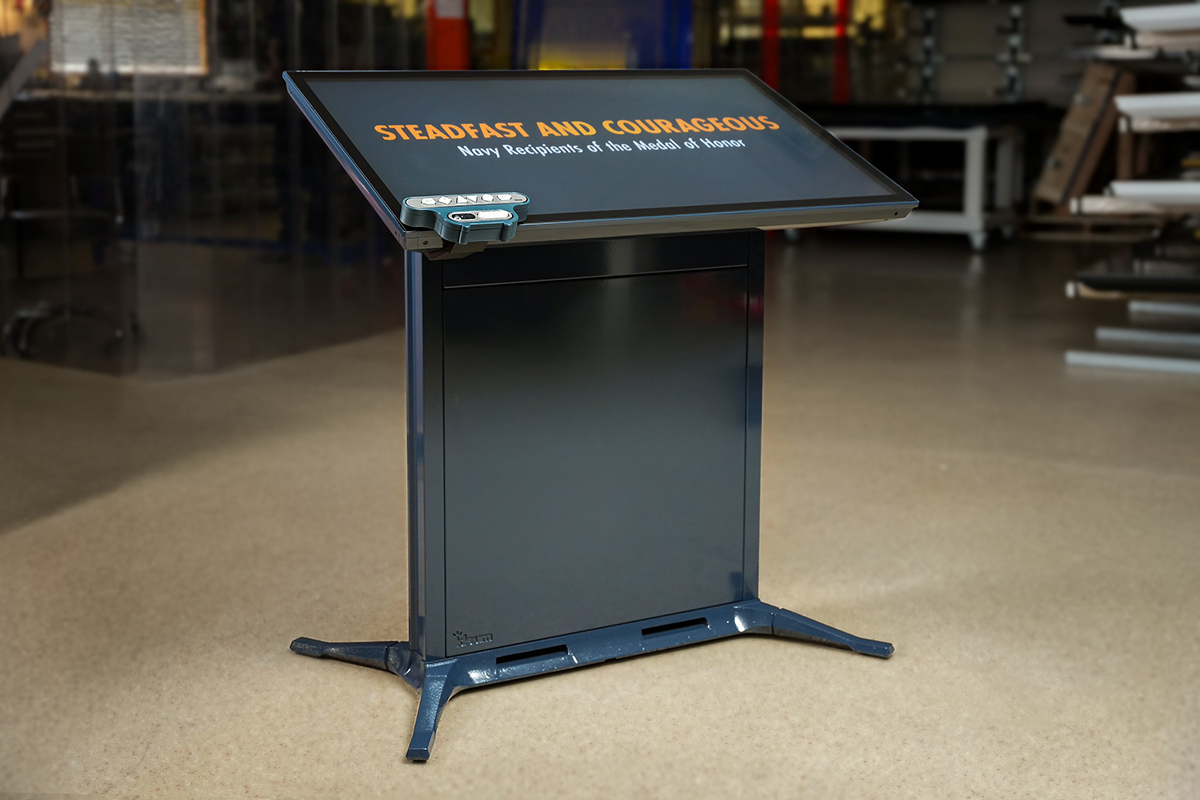
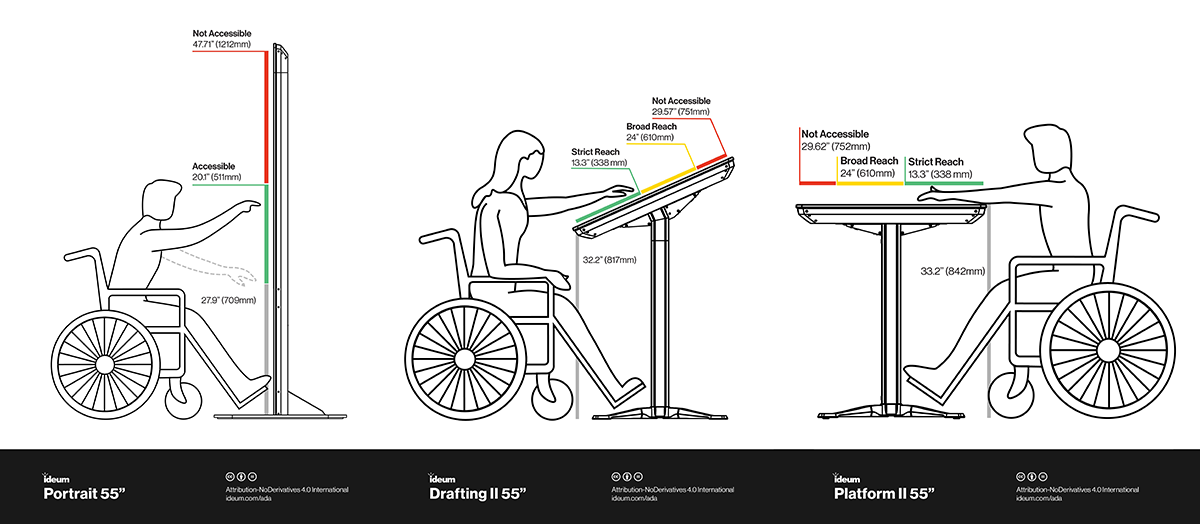
Accessibility at Ideum isn’t just a set of software settings - it’s engineered into the hardware itself, starting with our standard touch table design. Our touch tables and kiosks, from the Pico touch coffee table up to the extra-large Colossus, have screens under 34” in height, in full compliance with ADA. They have all been designed with roll-up space and reach in mind, so visitors using wheelchairs or other mobility aids can approach and comfortably interact with the screen without requiring any modifications to the base or table height. These aren’t retrofits or special-order add-ons; they’re simply how we think about a touch table’s physical footprint.
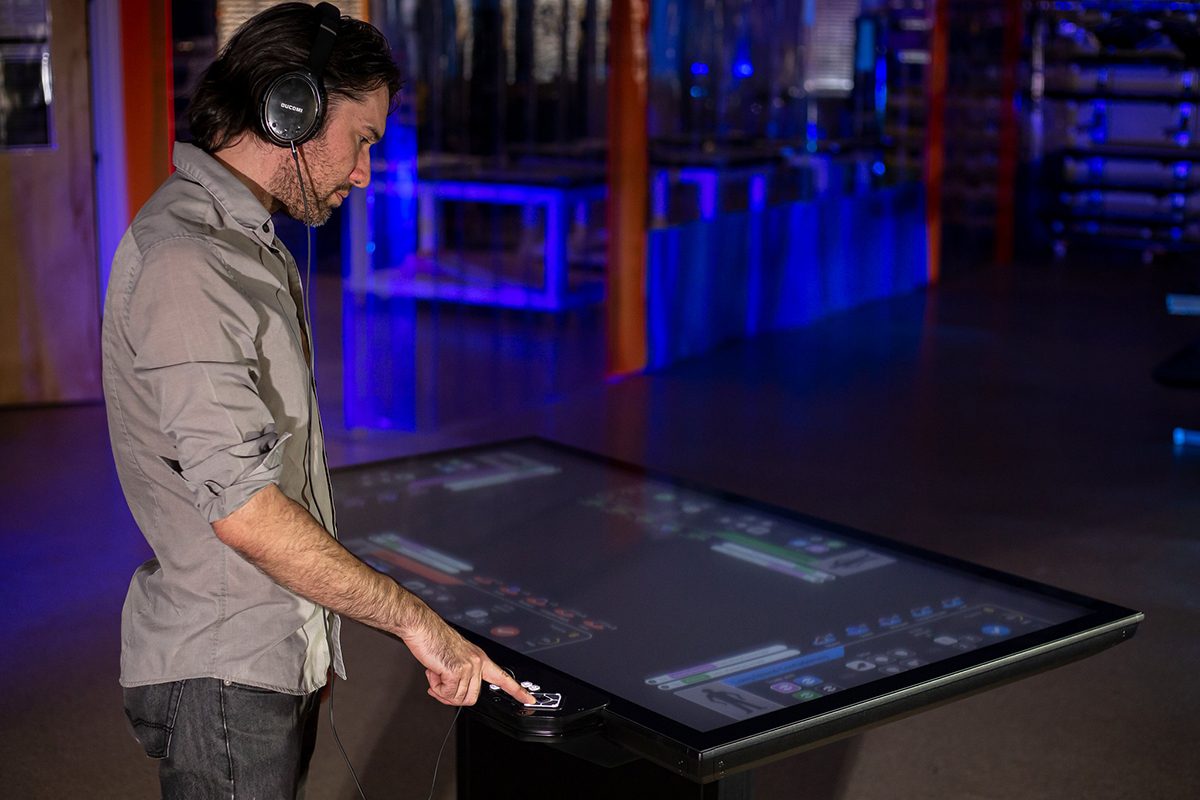
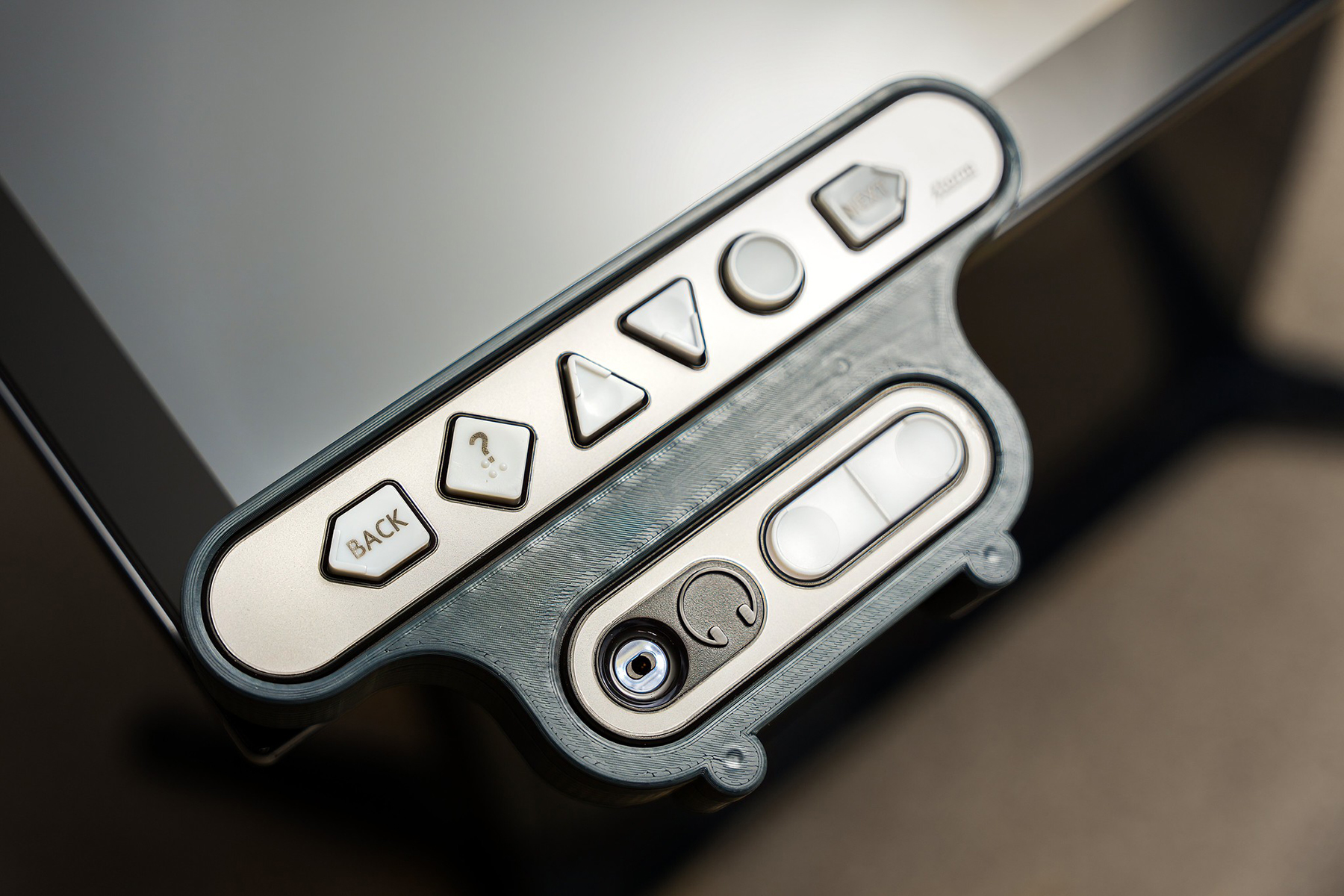
That thinking extends to add-on devices as well. Several museums and partner firms have asked us to integrate accessibility devices such as the Storm Interface AudioNav and NavBar, which are assistive USB devices that let visitors navigate menus by listening and selecting options with a tactile keypad. We designed custom mounts to seamlessly secure these modules to our touch tables, resulting in a turnkey piece of interactive hardware that helps visitors with impaired vision to navigate independently while still receiving an enriching exhibit experience.
We’ve also just released handset add-ons for our Reader Rail Kiosk, which can also be designed for use on our other ruggedized touch tables as well. Like the Storm Interface devices, this accessory is hardwired directly into the table's internal computer for easy integration to any software exhibit. A one-touch magnetic hanger makes it easy for users of all ages and mobilities to remove and return the handset to the base, and is a great option for visitors with hearing impairments who benefit from a more concentrated, directional sound.
Standards and specs are a starting point for us, not a finish line. We’ve spent time working directly with accessibility consultants and communities to test and refine our approach. That work reinforces a principle that guides each project: an effective and inclusive design approach informs development from the very first conception of a new experience, rather than adding accessibility features once the exhibit is already built. It is also a reminder that accessibility is bigger than any single audience. Thoughtful design has to account for a wide range of sensory, motor, and cognitive needs, and the best way to do that is to involve people from those communities throughout the design and testing process, not just at the end.
Since Ideum began designing and building multitouch tables, we have continually referred to ADA and ETSI standards for accessibility. However, neither set of guidelines were written with touch tables or large interactive displays in mind. That gap led us to publish our white paper, Accessible Design for Multitouch Tables, Large Displays, and Interactive Experiences, which offers both “broad” and “strict” interpretations to help design teams build height, reach, and physical access into a project from day one.
The paper also makes the case that accessible design doesn’t have to cost more. Since Ideum touch tables are already built with height and reach accommodations in mind, they are a great addition to exhibits, new and old. For the software exhibit itself, attention to font sizing, capitalization, and color contrast can be applied at the design level without any changes to a budget. The white paper is a resource borne of necessity, and one we continue to reference and apply to each interactive exhibit we design. This commitment was recognized in 2023 by the US Fish and Wildlife Service, who named the Valle de Oro Visitor Center team a champion of diversity for accessible design interwoven throughout the entire center, from the building itself to the exhibits within.
Inclusive design ensures touch table exhibits are open and accessible to visitors of all abilities, ages, and needs. Curious how accessible design could work for your next exhibit? Get in touch with our team and let’s talk more about your needs.