Jun
23
2026
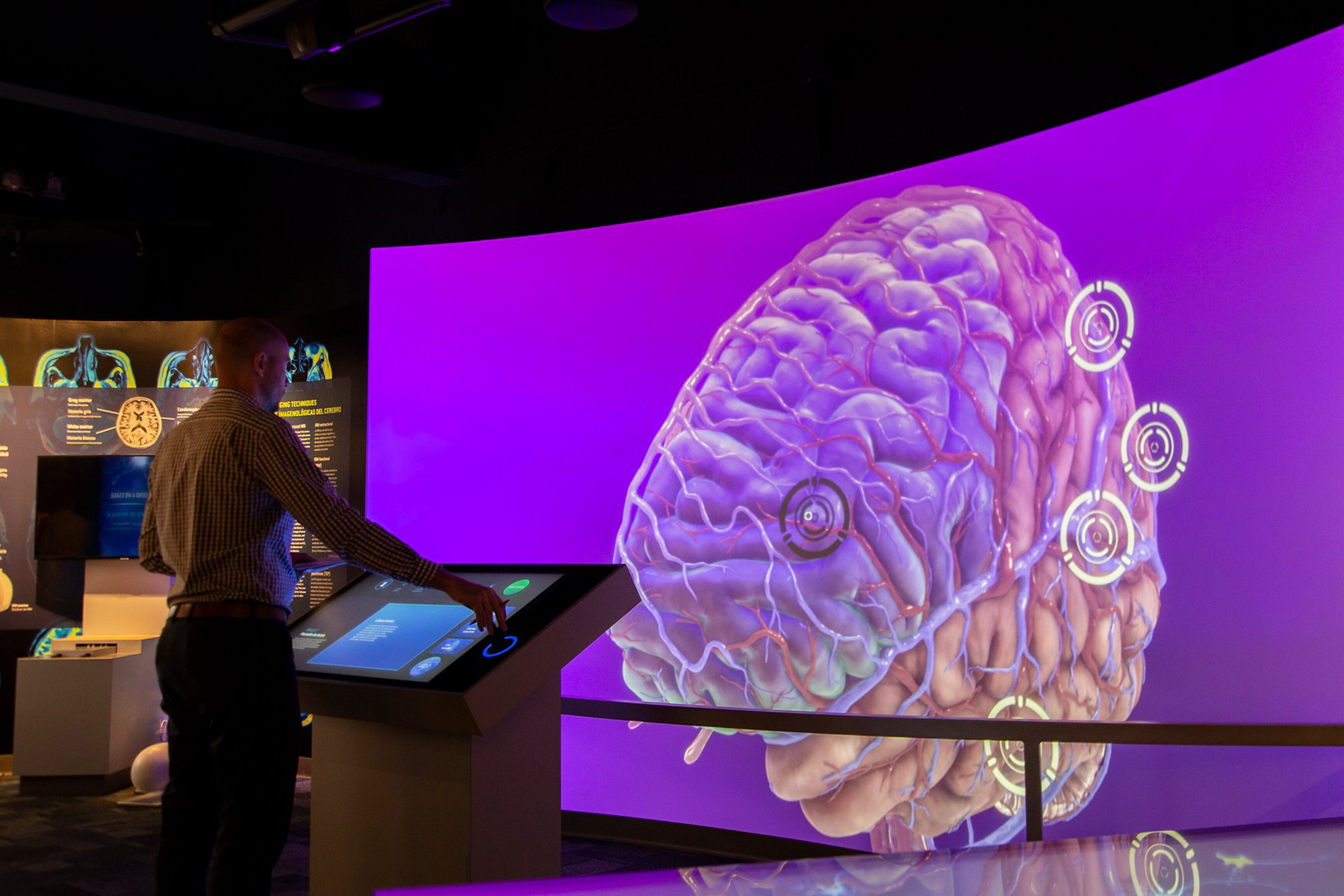
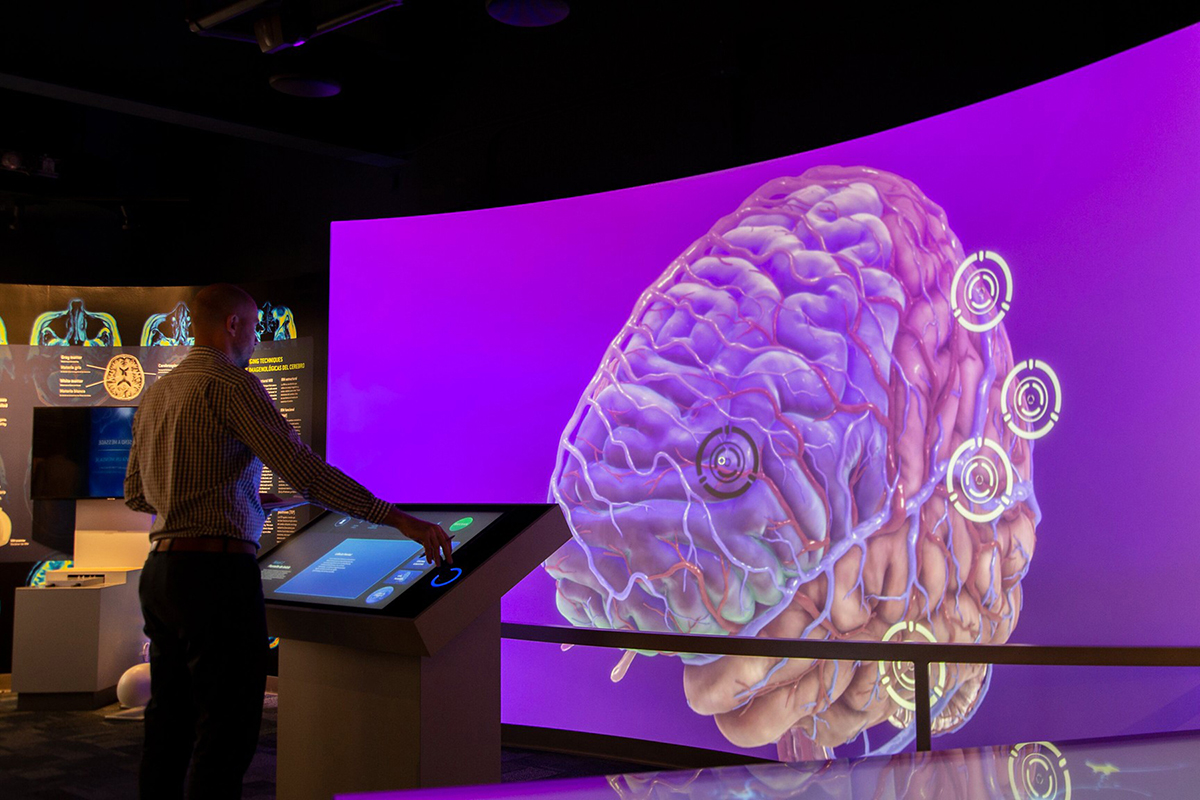
The museum sector is buzzing with a first-of-its-kind study reviewing the effects of leisure activities on epigenetic aging. In early May 2026, the Innovation In Aging journal published a landmark analysis showing that arts and cultural engagement (ACEng) could have as significant an impact as physical activity. At Ideum, we’re interested in how this research represents a pioneering effort toward better nurturing the relationship between the viewer and the work. This new information also comes as funding for cultural sites and programs continues to be drastically cut, a trend that highlights the urgent need for data such as this–validating the benefits of investing in and sustaining these community pillars that we believe are essential.
Previous studies assessed the social and economic effects of ACEng, as well as its ties to mortality, depression, and cognition, but a comprehensive look at its broader influence on the aging process was long overdue. The inaugural investigation into the data revealed that both artistic immersion and physical activity produced significant age-defying results across the study group. Research indicates that monthly engagement with the visual arts, whether as a participant or an observer, correlated with being at least one year younger biologically compared to those with bi-annual or less frequent interaction. According to research fellow and study co-author Dr. Feifei Bu, the arts encompass a diverse array of activities. In this instance, individuals were asked how frequently they had done any of the following: singing, dancing, painting, photography, crafting, attending an art exhibition or event, visiting a heritage site such as a monument, historic building, or park, or going to a museum, library, or archive. When speaking to CNN, Bu highlighted various "active ingredients" within these experiences, including social interaction, sensory or physical stimulation, and aesthetics.
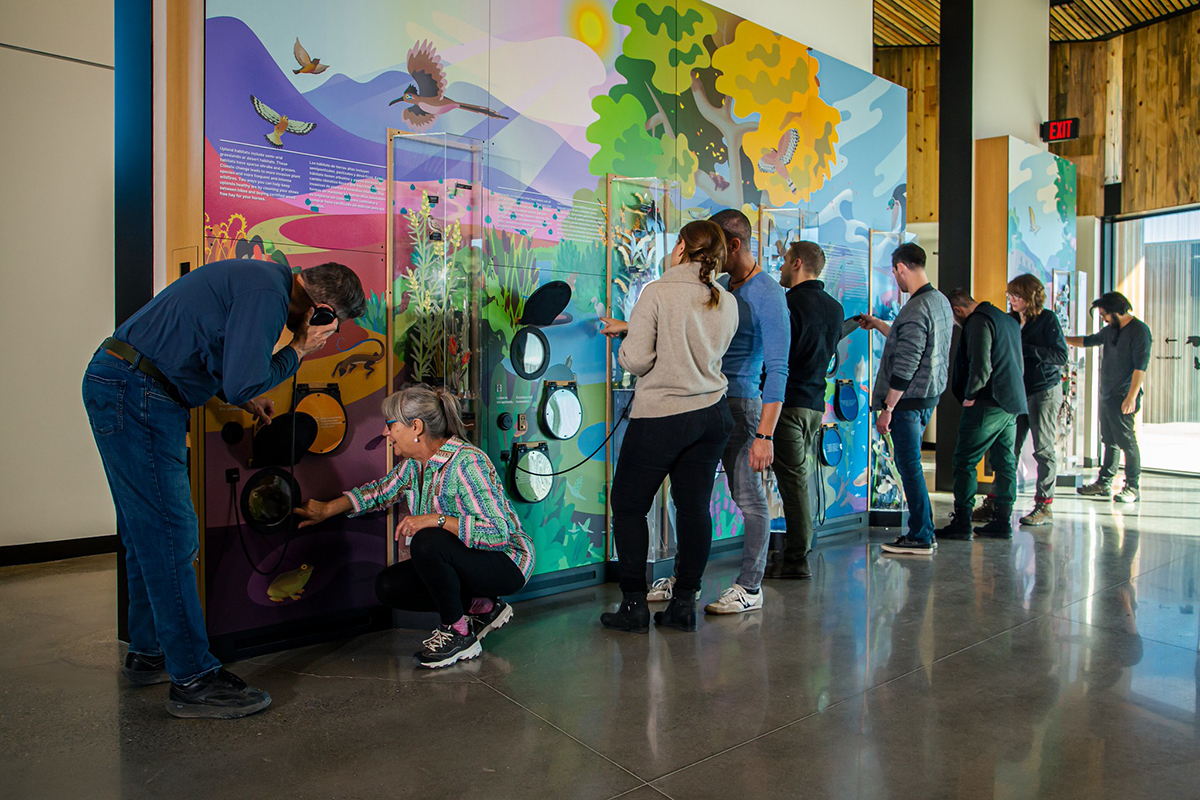
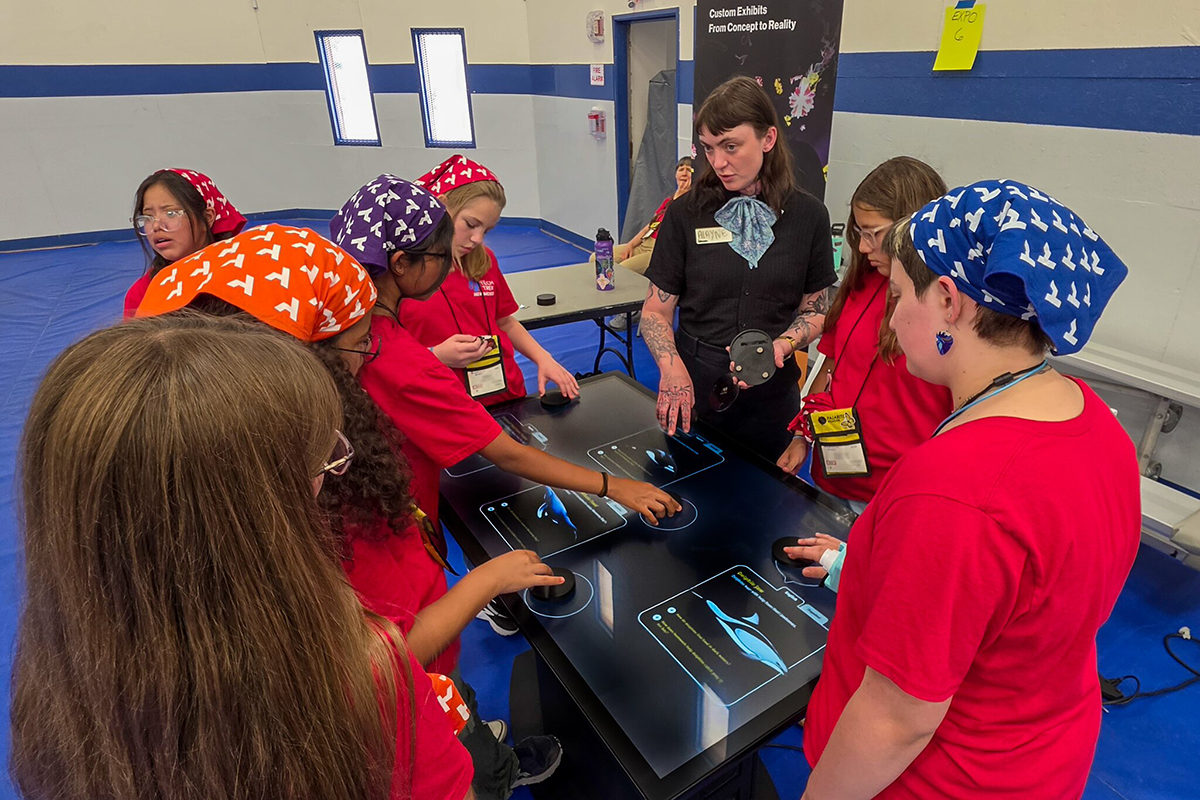
While the spectrum of biological effects and what constitutes leisure can vary from person to person, we at Ideum can begin to implement the new findings when designing third spaces. By incorporating the new research into ADA-compliant design considerations, we can prioritize social connectivity, a factor recognized for bolstering resilience and stress management. Implementing these discoveries into our design methodology allows us to guarantee that the advantages of access to knowledge and creative experiences remain a priority. A core goal of every project Ideum takes on is maximizing accessibility whether that be alternative text on social platforms or physical design adaptations. Similar ideology inspired Tangible Engine, a program we designed that encourages experiences in which digital technology and physical objects work together to elevate social interaction. Our approach also extends beyond just the visitor experience to support the dedicated teams sustaining educational institutions and cultural organizations. To better empower these groups, we developed Touch Story, a robust digital storytelling infrastructure that provides museums with enduring agency over their collections and curation. In addition, we believe in showing up and supporting in-person at community-based events like TechTrek and the annual International Balloon Fiesta here in New Mexico. Technology for Our Community, a donation program we began nearly a decade ago, helps us to provide touch tables and displays to support these local nonprofits, schools, and public agencies. Helping design the new visitor center for Valle de Oro was especially important to us, as it is the first urban National Wildlife Refuge in the Southwest. We love contributing to projects that serve the community and are especially grateful for the chance to work with local partners to make a difference in the place we call home.