Nov
05
2026
You have a story to tell and a space full of possibilities. Maybe there is an extraordinary object that deserves more attention, a community story ready to be shared, or a gallery that could use a little more life. Working with an exhibit design firm brings a new group of creative collaborators into the mix, ready to help you turn those possibilities into experiences visitors can step into, explore, and share. You don’t need to arrive with every answer. Bring your knowledge, your questions, and a willingness to imagine what visitors might do, feel, and learn. A good design team will help turn that conversation into a plan you can build.
Start with what you know.
Be equally open about what you have not figured out yet. Those questions are often where the most interesting work begins. If you are still looking for your team, a Request for Qualifications, or RFQ, can help. It invites firms to share relevant experience, introduce the people who would do the work, and explain how they collaborate. Look beyond beautiful finished photographs: ask how the team listens, works through challenges, and brings museum staff and community voices into the process. When the assignment is more clearly defined, a Request for Proposals, or RFP, asks firms to suggest an approach, scope, schedule, and price. Give everyone the same information, including your budget, so you can compare proposals that address the same project. Where procurement requirements allow, a conversation with an exhibit designer, fabricator, or local contractor can be a useful first step. A smaller project may be well served by local specialists. Just be clear about who is connecting the pieces, from content and accessibility to graphics, fabrication, and installation. When in doubt, phone a friend–calling references and checking in over the phone are tried and true forms of communication.
With a design-only contract, your design team takes the exhibition through concept, schematic design, detailed design, and a contract documents phase. Think of those documents as the instructions for making the exhibition: drawings, specifications, and performance requirements that fabricators and producers can price and build. You contract separately for production, and the designer may stay involved through contract administration to review shop drawings, fabrication, and installation. With design-build, one lead team carries the work from design into production and installation. Fabricators, media producers, and technical specialists can join the conversation early, helping explore how an idea will work, what it will cost, and how staff will care for it once the doors open. Both approaches can support a strong collaboration. The important thing is knowing who is responsible for what, which services are included, and how decisions affect the budget. In projects that include different designers and builders, keep designers and production teams in regular conversation about costs as ideas evolve.
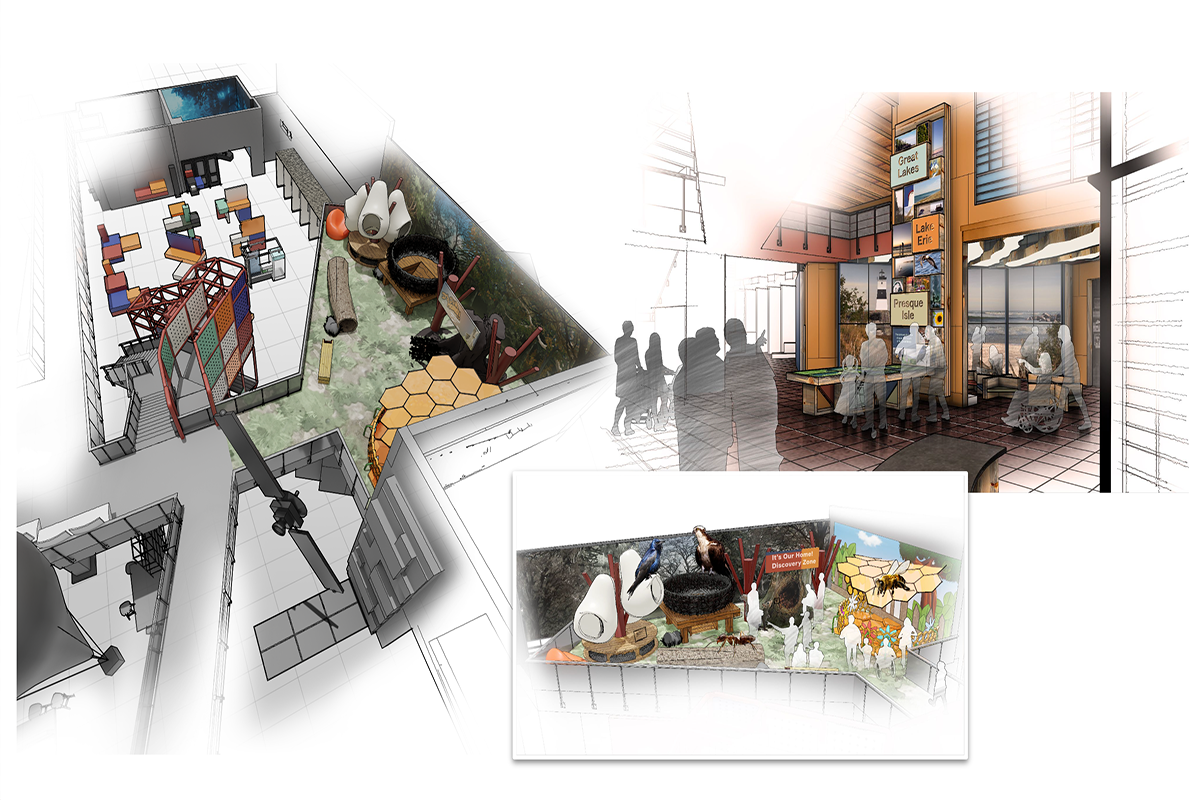
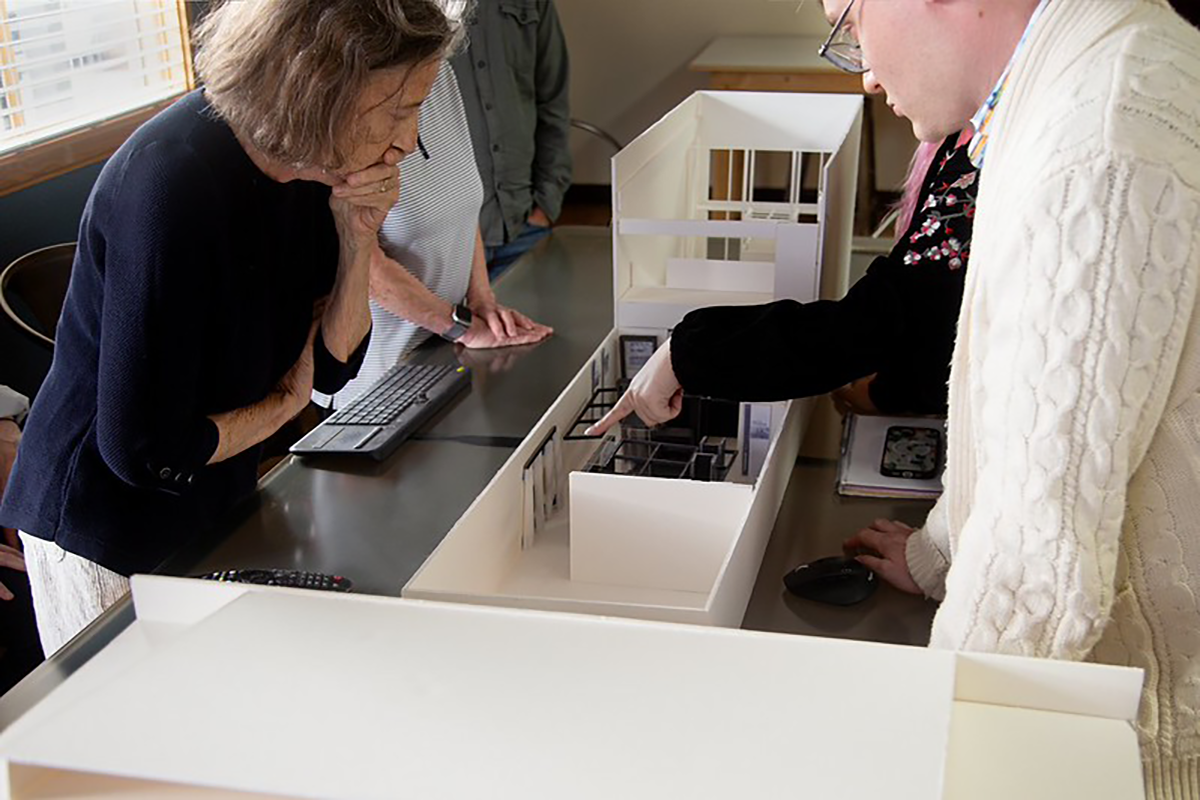
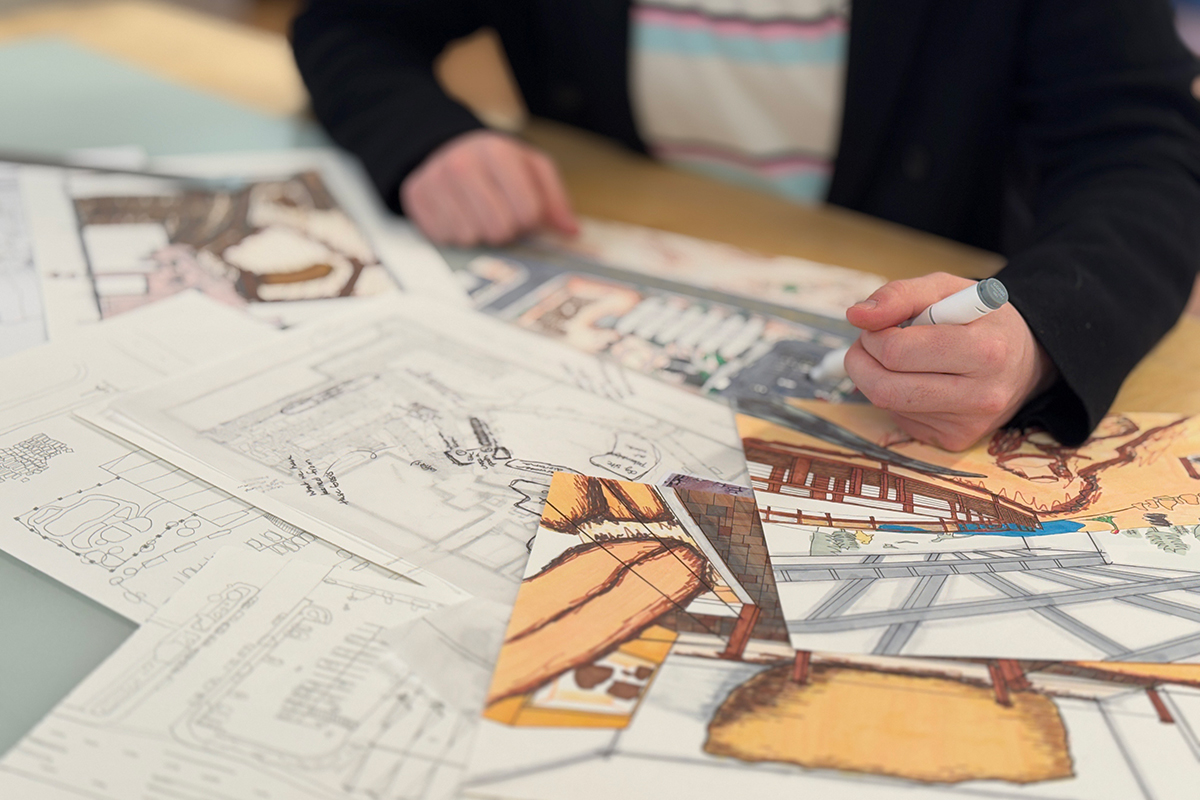
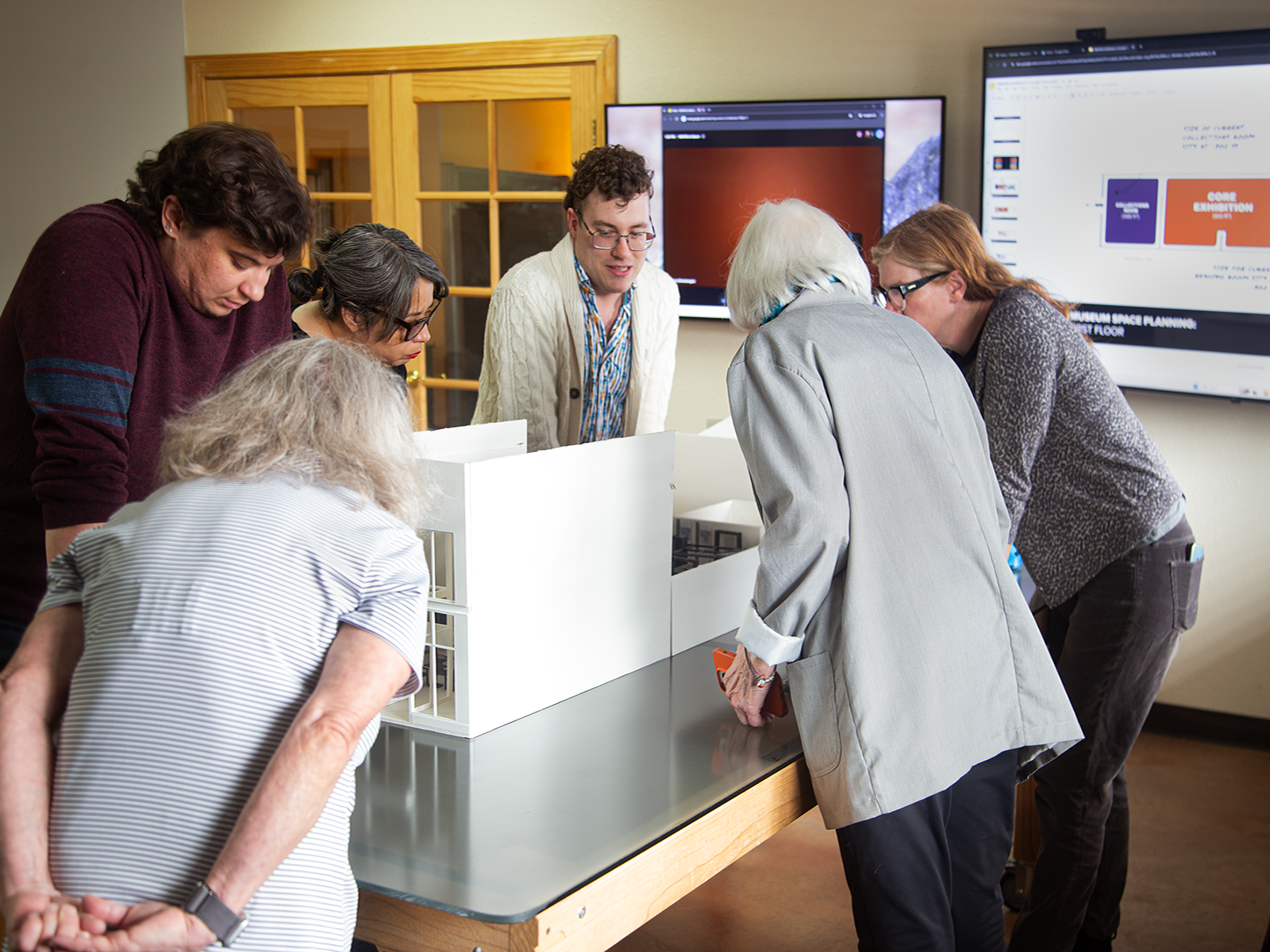
The process should invite discovery. Early workshops bring people together around the exhibition’s big idea and the experiences you hope visitors will have. During concept design, consider building a physical 3D model that the team can stand around and discuss. If you know your gallery space, your exhibit designer can mock it up in foam core and make dollhouse-style scale components. Move things around together, try different floorplan layouts, and explore where a signature object or experience might go. You can also test what color does to the space or add graphic concepts to the walls to see whether you actually like them. A model gives everyone something tangible to respond to and makes it easy to try another idea.
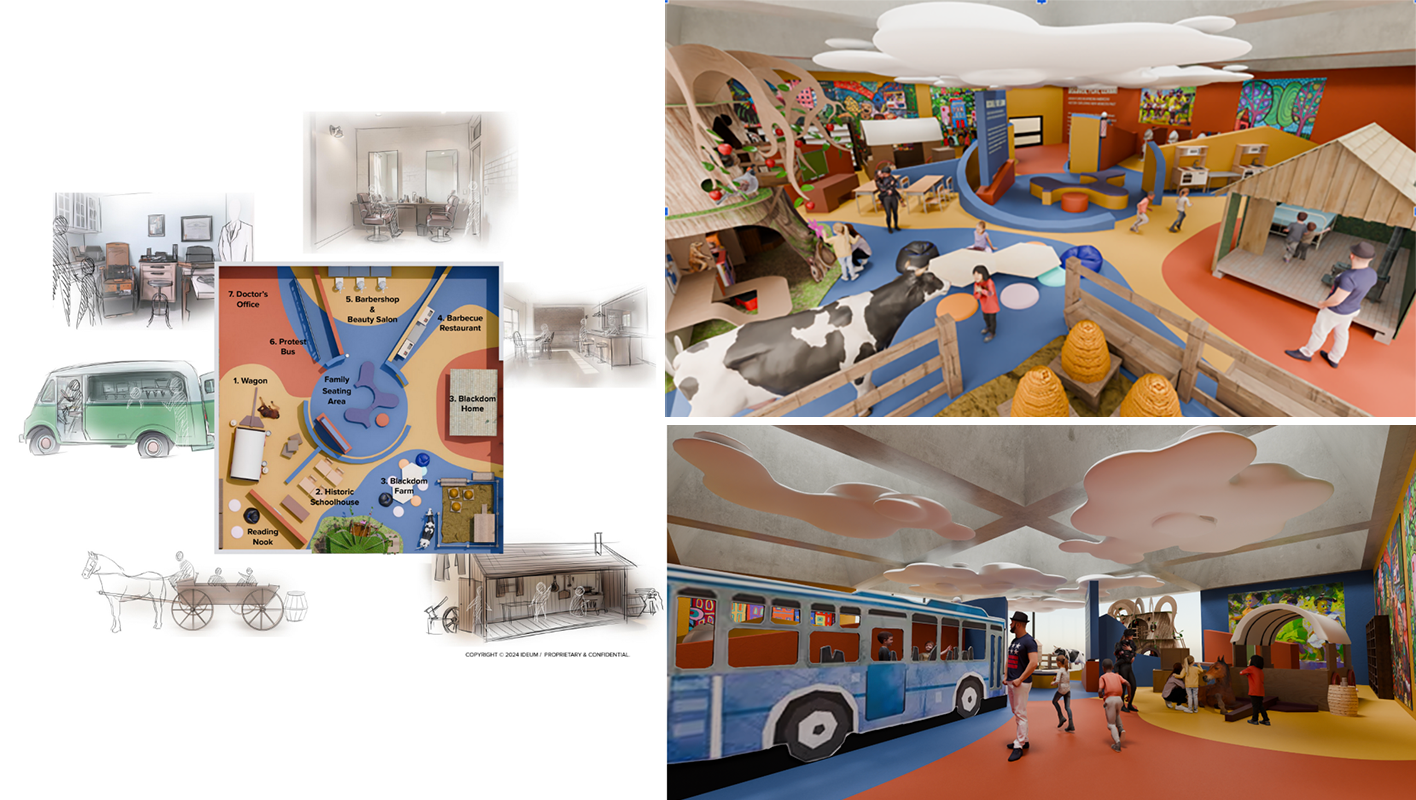
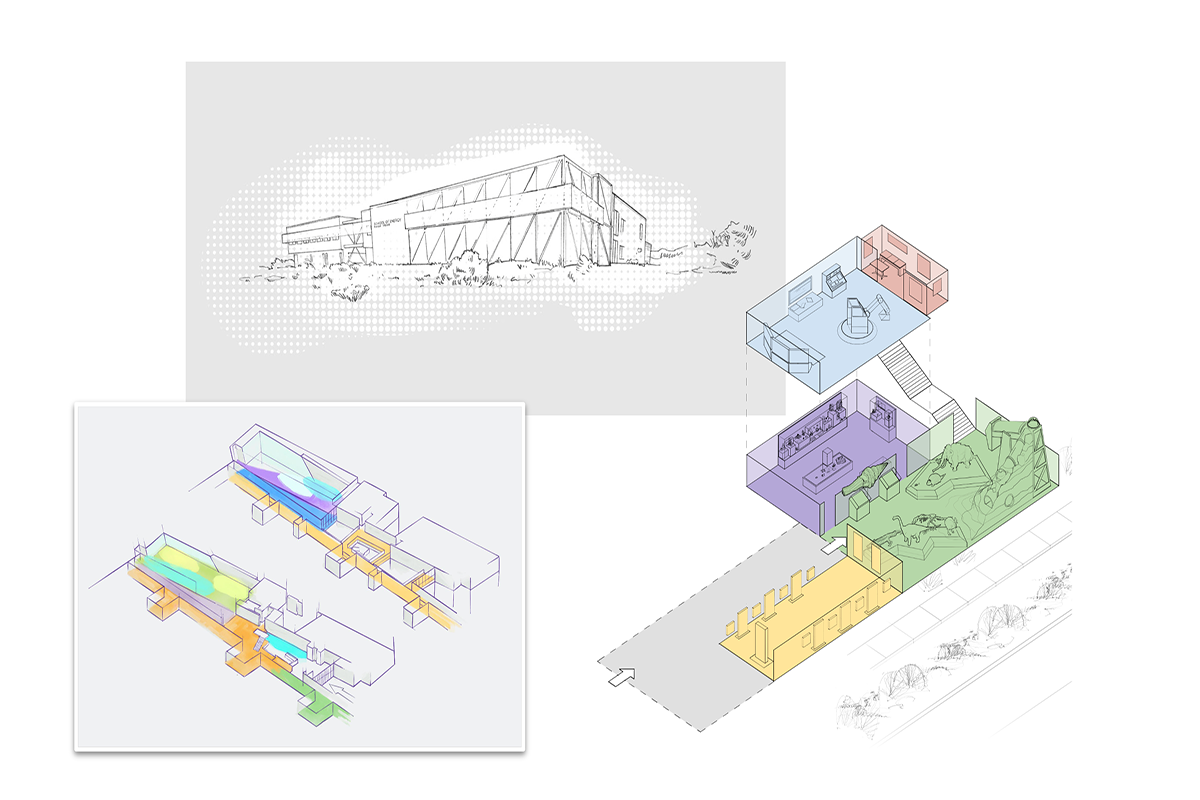
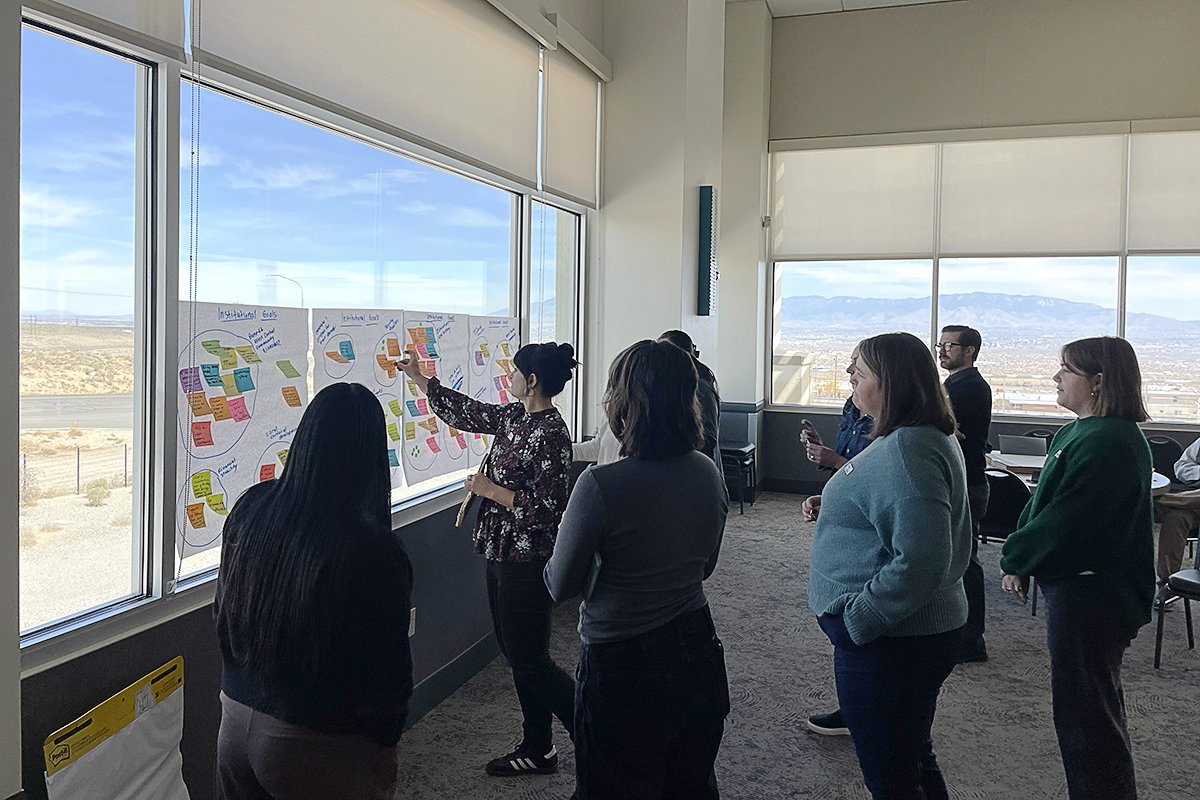
Schematic design develops those ideas further: where things go, how visitors move, and what they can explore together. Detailed design works out the materials, graphics, media, and technical details that make it all possible. Some of the best insights come from people who encounter visitors every day. Bring educators, curators, collections staff, visitor services, facilities teams, and community partners into the conversation when their knowledge can help shape the work. Make room for different perspectives, try things out, and have some fun. Agree on who makes decisions and how feedback comes back to the design team, so everyone’s contributions help the project move forward.
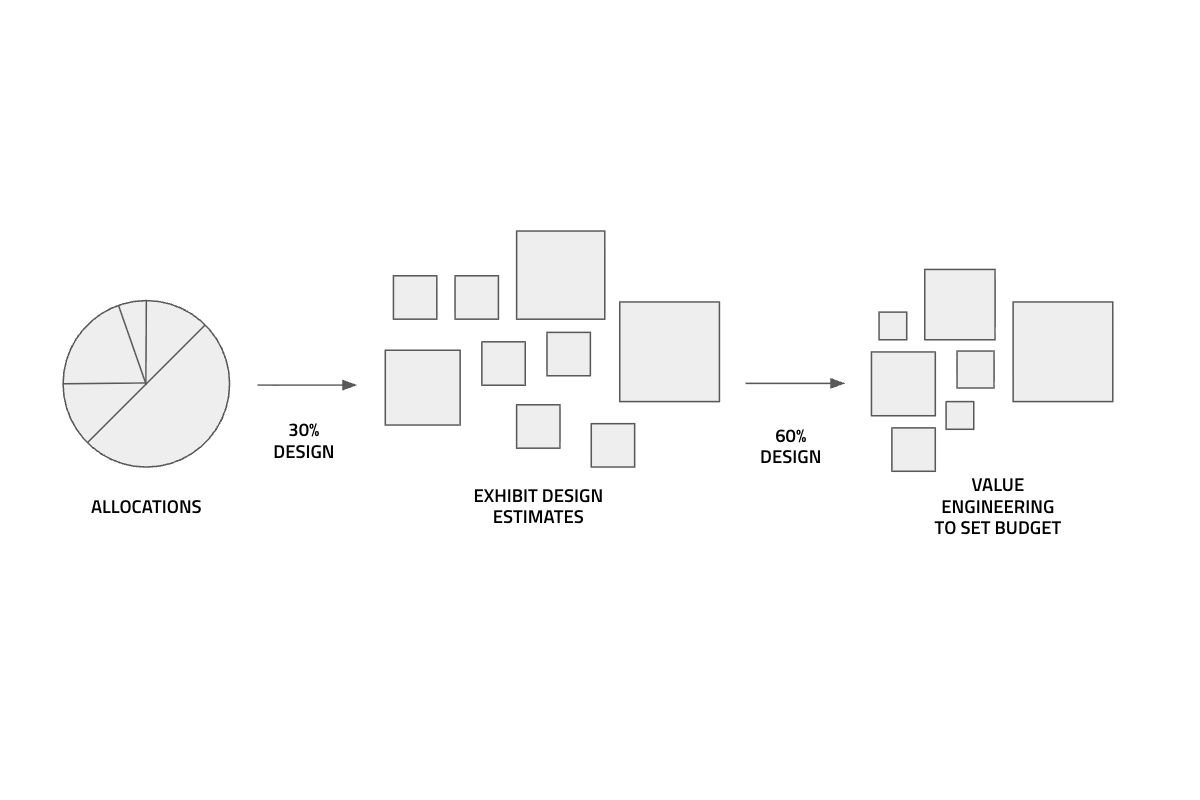
There is a particularly useful moment to pause together: approximately 60 percent schematic design. The exhibition has enough shape to develop a meaningful estimate, but there is still room to change course. This is a critical checkpoint for bringing the design and budget into alignment. If the estimate is too high, take a breath and return to the visitor experience.
At this stage, the team has time to redirect the schematic design and put the project back on budget before it is finalized. That flexibility is valuable. Waiting until schematic design is finished, or detailed design is underway, makes changes harder and more expensive. Keep checking costs throughout the work, especially in design build, so the budget remains part of the creative conversation.
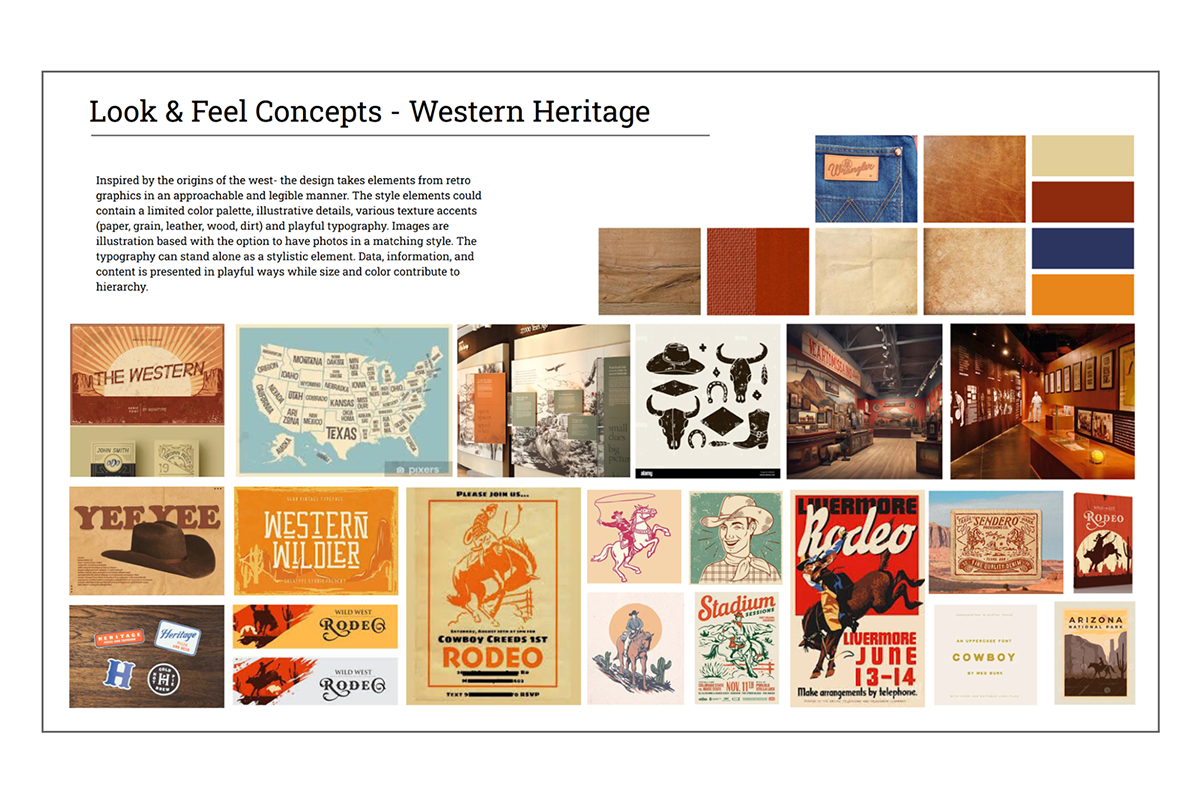
A little structure gives the creative work room to grow. By 30 percent schematic design, provide a preliminary object list so the team can begin exploring how collections support the story and fit within the exhibition. By 30 percent detailed design, the final object list needs to be in place so the team can resolve case layouts, mounts, lighting, and the space each object needs. Knowing what will actually be on display helps us design around the collection and the stories it can tell. By 60 percent detailed design, pre-writes should be ready for all exhibit media, whether graphic or digital. These working drafts describe the text, imagery, and media content planned for each element. They give designers enough substance to mock up the final graphic designs and digital screens, so everyone can see how the story is coming together for visitors. This is also the time to identify the illustrations, photography, and other image assets the exhibition will need, confirm permissions and licensing requirements, and align acquisition and commissioning costs with the budget allocation. Working through these choices together before production begins gives the team time to make adjustments while protecting the stories and experiences that matter most.
Exhibition production costs have risen considerably since the pandemic. If your last major project was several years ago, its budget may no longer be a useful guide. An early conversation about today’s costs helps everyone start with realistic expectations and decide where the investment will make the greatest difference for visitors. For a starting point, Ideum’s January 2026 estimating framework uses production benchmarks of approximately $500 per square foot for an entry-level immersive exhibition, $650 for a comprehensive museum exhibition with integrated interactives and media, and $950 for a flagship immersive environment. These are planning tools for those kinds of exhibitions. A smaller installation focused on graphics and objects may have very different needs. These square foot rates cover production only, as design fees are additional. When working with a design firm, allow approximately 30 percent of the production budget for the total design fee. When working with a design build firm, allow approximately 20–25 percent of the production budget for the total design fee. Design fees as a percentage of build costs are in addition to production costs.
For example, a 5,000-square-foot exhibition at $650 per square foot starts with a production budget of $3.25 million. Adding design fees brings the planning total to approximately $4.23 million with a design firm, or $3.90–$4.06 million with a design build firm, before any other project allowances. Talk through the scope together so everyone understands which services the design fee covers. Ask what is included before comparing numbers. Building improvements, owner costs, contingency, and escalation need their own allowances where applicable. As the project takes shape, replace square foot benchmarks with estimates for the actual components you are creating together.
One of the most cost-effective ways to transform a museum space is to make the most of what you already have. An internal team or an assembled team of local, independent designers and builders can reuse and reimagine existing equipment, kiosks, platforms, casework, and flexible walls. This approach works best when the museum has a creative and resourceful project lead who can manage both design and production, monitor a budget, keep everyone communicating, and work alongside the team, whether that means writing text, painting a wall, or moving display furniture. Be realistic about the staff time and coordination this work requires, and include those commitments in your planning.
Working with an exhibit design firm should be engaging, thoughtful, and rewarding. There will be decisions to make and practical challenges to solve, but there should also be the pleasure of discovering what your team can create together and imagining the visitors who will bring it to life. If you have an exhibition in mind, we would love to hear what you are thinking about. Bring your big ideas, your unanswered questions, and whatever planning you have so far. We can help you figure out the next step!