Oct
08
2025
Great exhibitions begin long before construction or installation. They begin with concept design: the creative and strategic foundation that aligns institutional goals, visitor outcomes, and design potential. In my role as Chief Experience Officer, I have seen how concept design provides clarity and momentum for every project that follows.
A well-executed concept phase sets direction, defines purpose, and connects all stakeholders to a unified vision. Without this groundwork, teams risk misalignment, scope changes, or ideas that cannot be realized.
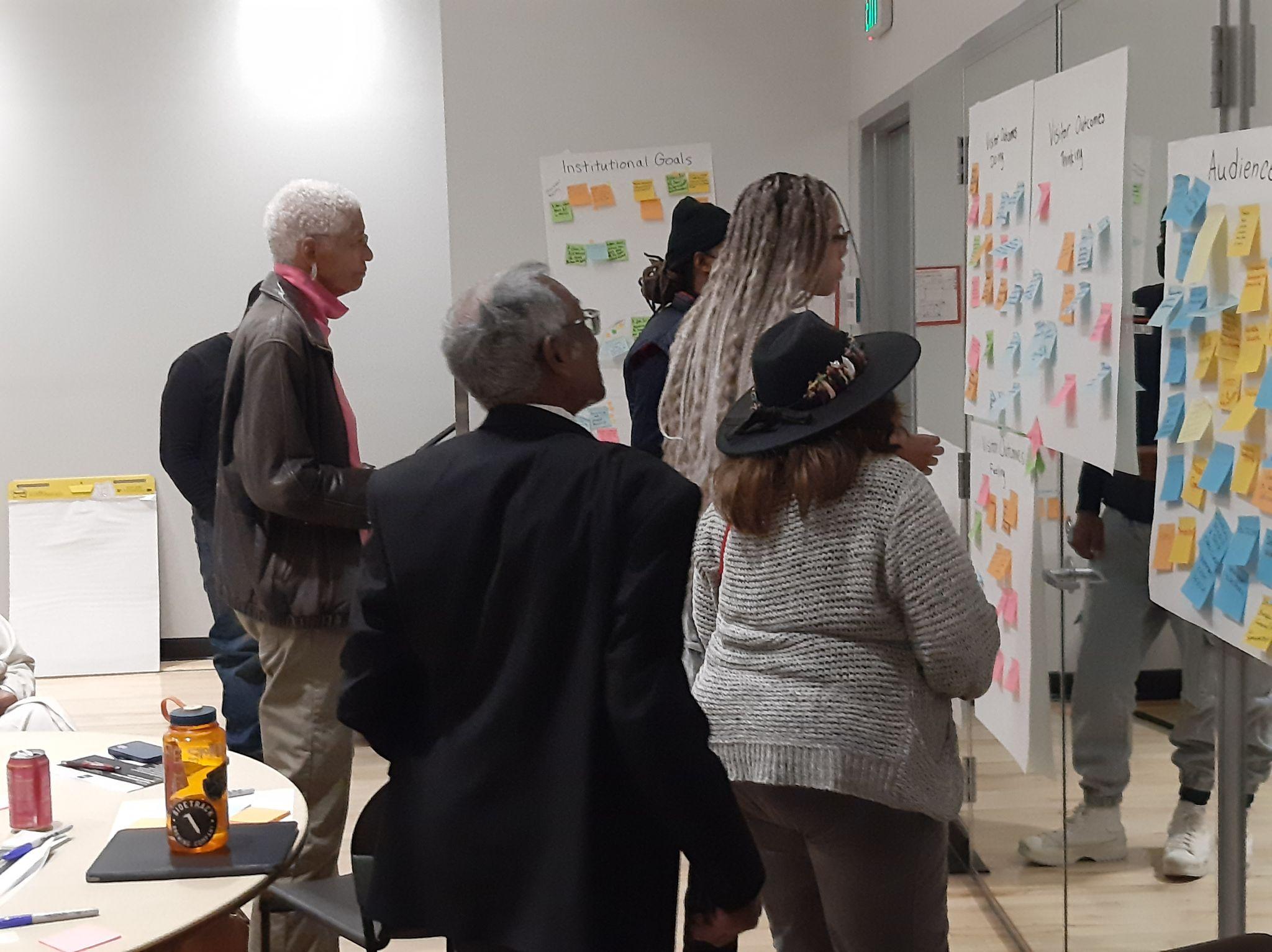
Ideum begins with a Foundations Workshop Phase, a structured discovery process that brings together leadership, educators, curators, community members, and technical staff. These workshops allow everyone to express priorities, share challenges, and define the metrics of success.
We work with our clients to identify interpretive goals, target audiences, and visitor outcomes. The result is a Foundations Document that captures these shared priorities and outlines the interpretive themes, institutional goals, and narrative direction for the project. This document serves as the guiding reference for all subsequent stages of exhibit design and implementation.
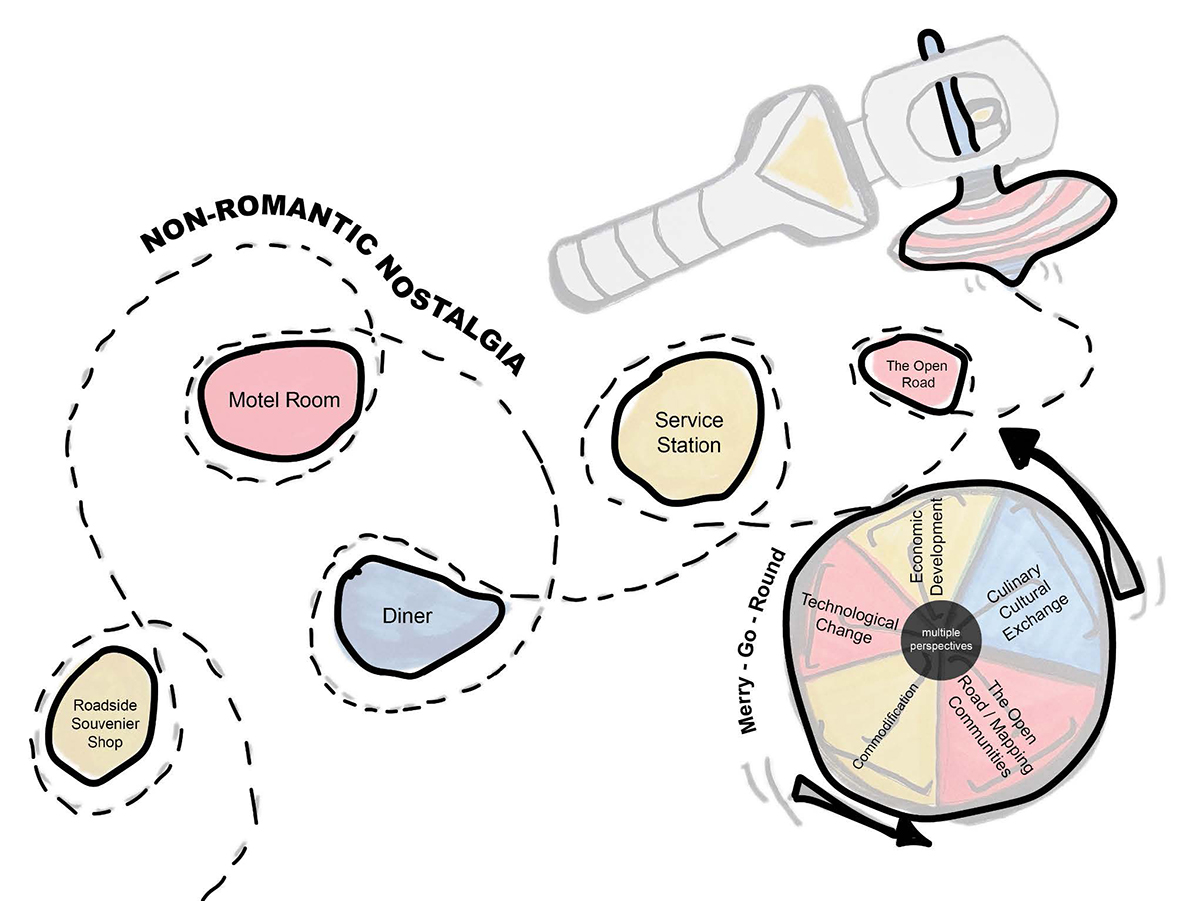
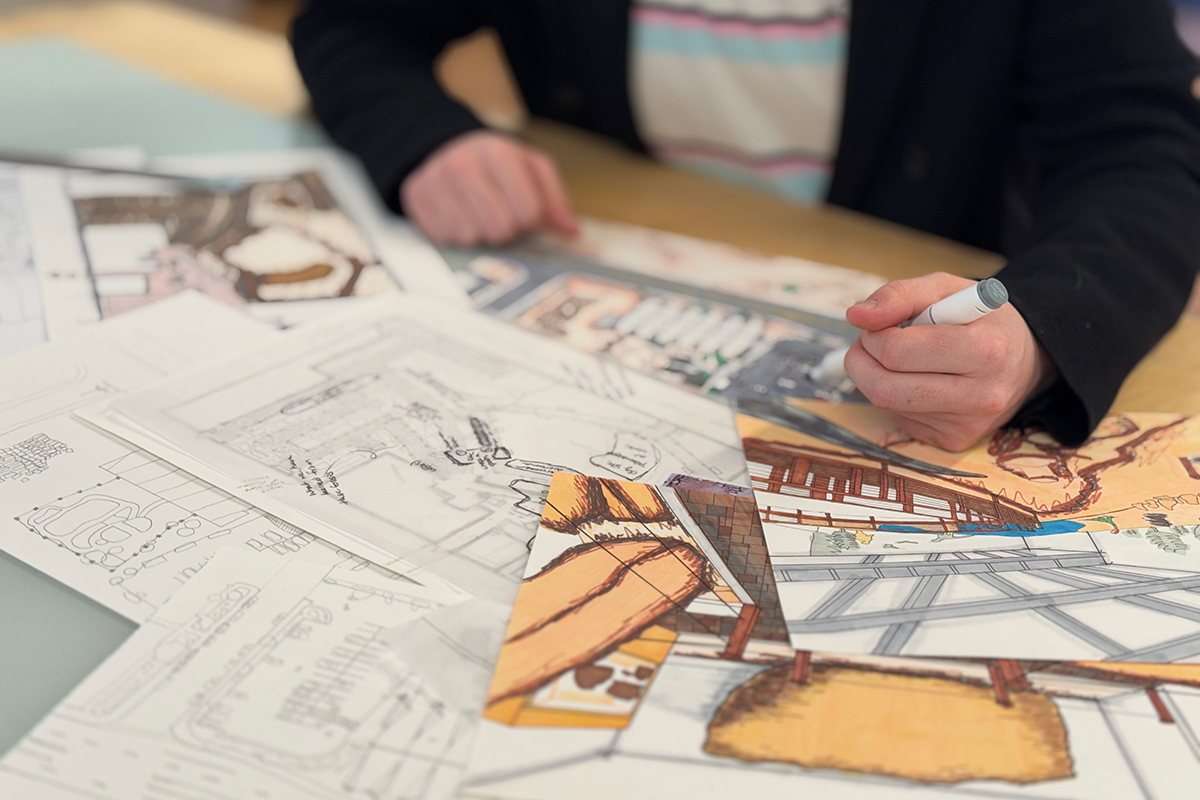
After the foundation is set, the process turns toward creative exploration. Through Visioning Workshops, Ideum’s team and client stakeholders translate goals into spatial ideas, narrative flow, and early visuals. We sketch visitor journeys together, develop bubble diagrams, and describe the story arc that will unfold within the exhibition.
This phase transforms abstract goals into an actionable concept that balances inspiration with feasibility. Each workshop refines ideas until stakeholders see their own goals reflected in the exhibit plan, creating shared ownership and lasting alignment.
A powerful concept is only successful if it can be implemented effectively. Ideum’s process includes a dedicated Implementation Planning Phase to ensure the transition from concept to reality is seamless.
In this phase, we outline project timelines, key milestones, and fundraising strategies. We identify partner roles, potential collaborators, and content producers who will be critical in later stages. We also create preliminary cost analyses, scalable budget options, and phasing recommendations to help clients plan funding and staffing needs.
This is where Ideum’s experience as both a creative design studio led by former museum professionals and a full-service exhibit fabrication company becomes essential. Because our teams work across every phase of exhibition development, we understand how ideas must evolve to remain achievable, safe, and financially sustainable. Implementation planning bridges creativity with practicality, ensuring the vision can move forward confidently into schematic design, development, and production.
Ideum’s concept-driven model has shaped museum, visitor center, and other public projects across the country, helping institutions large and small define their visitor experience from the ground up.
Across these projects, the goal is always the same: to create exhibitions that are meaningful, fundable, and achievable, while reflecting the values and voices of those who helped shape them.
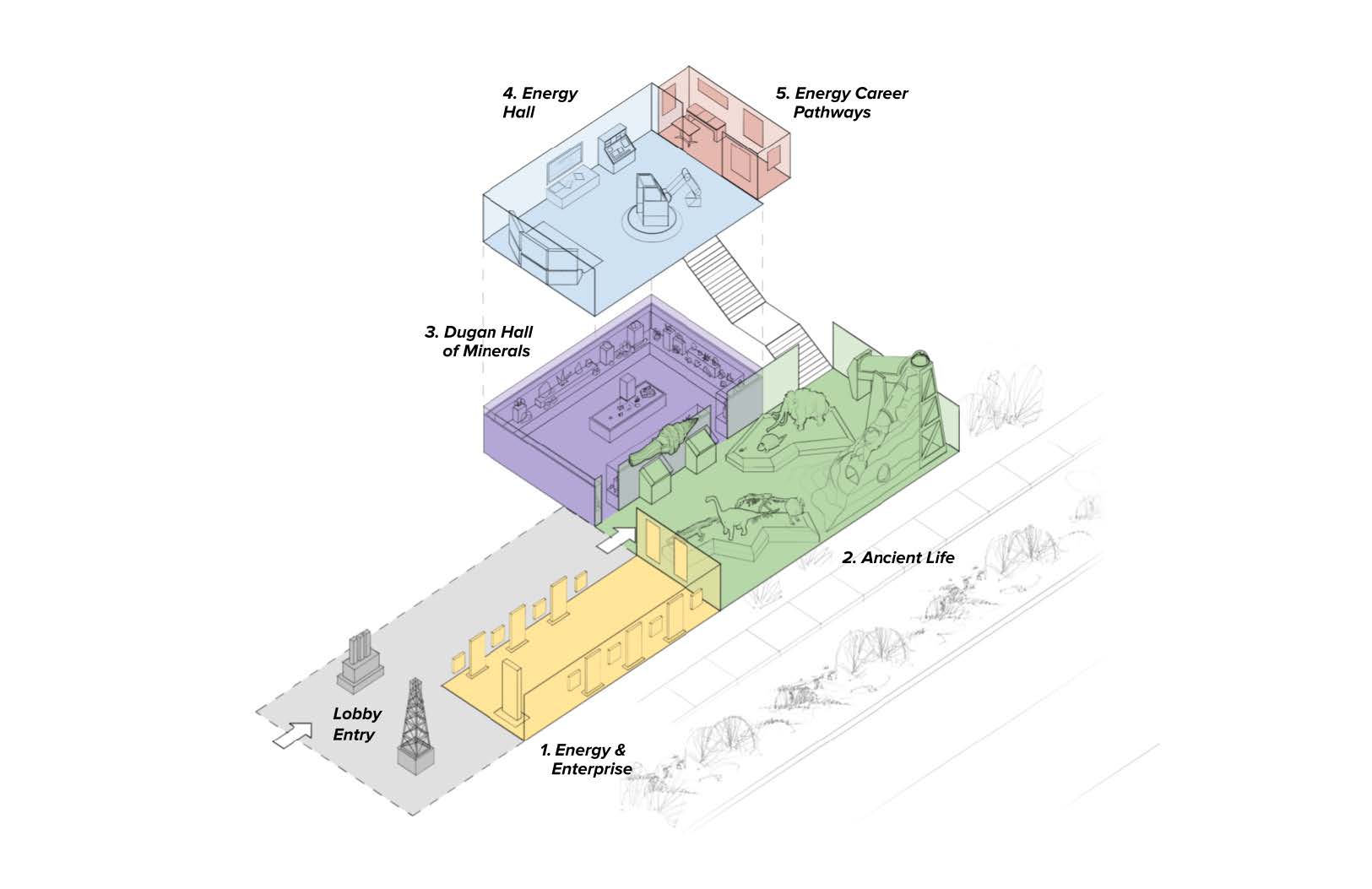
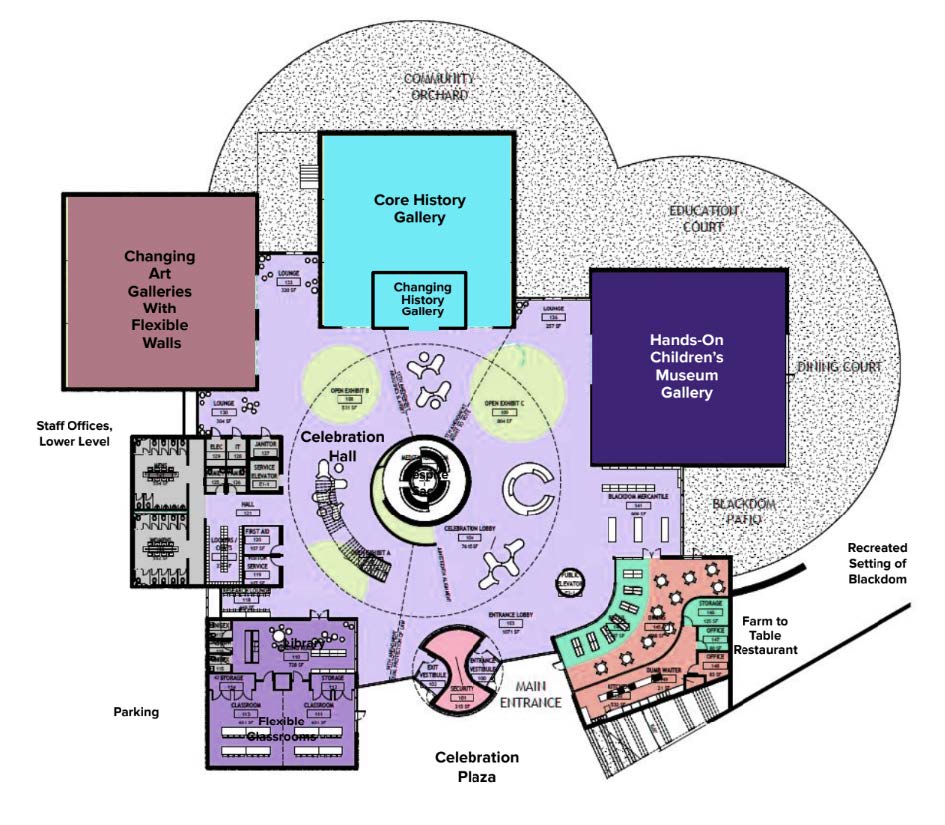
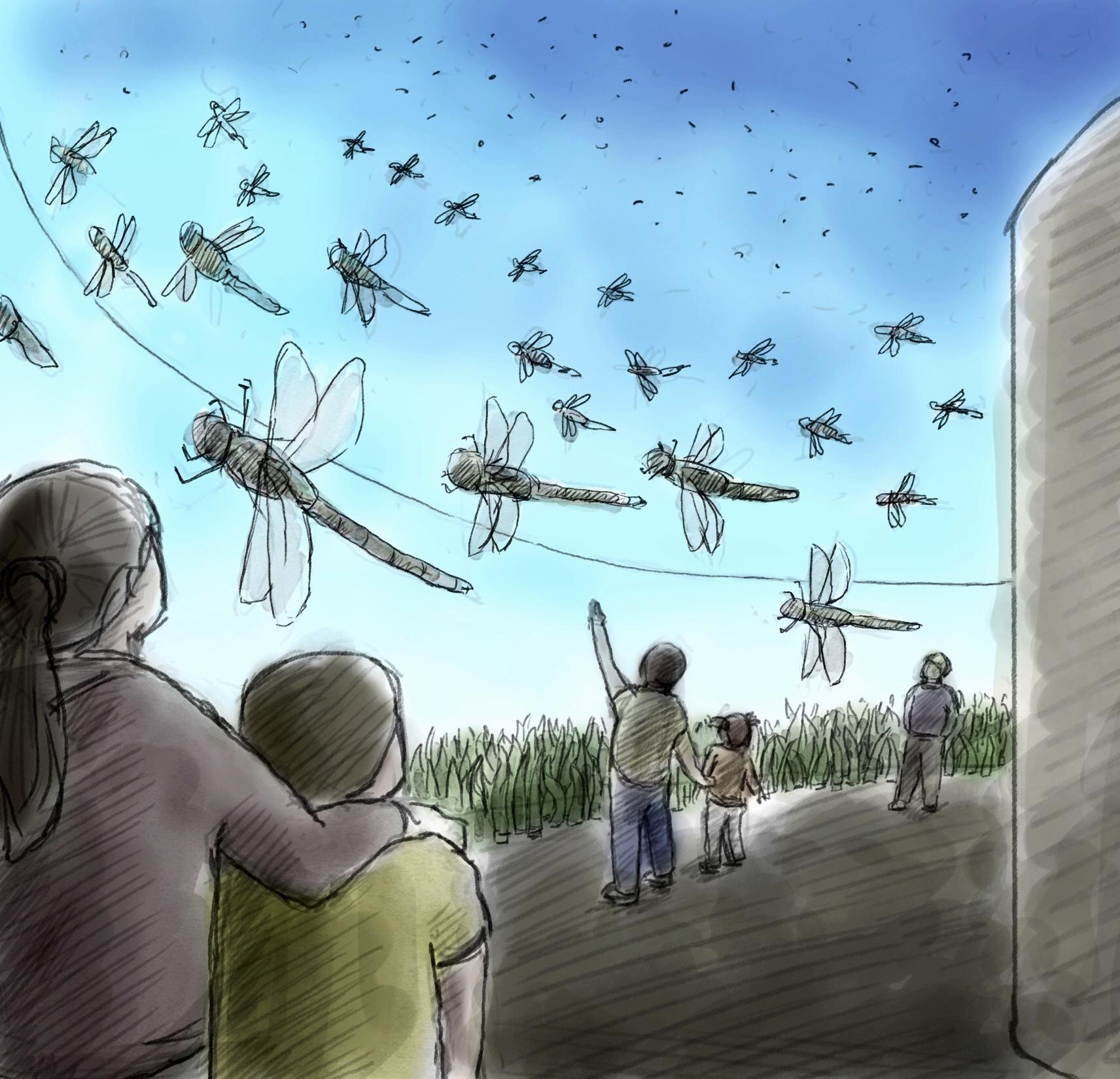
Ideum’s concept design process unites imagination with accountability. Each phase balances creative ambition with the realities of operation, staffing, and maintenance. Our process builds consensus while producing tangible outcomes: illustrated renderings, storyboards, spatial diagrams, interpretive frameworks, and implementation plans that guide future development and fundraising.
Concept design is the bridge between mission and visitor experience. It is where collaboration transforms into vision and where vision becomes strategy. At Ideum, we do not simply design exhibitions. We design the process that makes great exhibitions possible.