Oct
24
2025
Every exhibit begins as an idea - a spark that holds the potential for something much larger. To grow into a meaningful experience, that idea must be carefully nurtured. The most important phase of this process happens long before any component is built or coded: the concept phase. This is where the creative and interpretive groundwork is laid, where teams begin to translate ideas into form, and where the essence of the visitor experience first takes shape.
At Ideum, this early period is treated with as much care as fabrication or programming. The concept phase is not a preamble to “real work,” it is the real work. It’s the foundation on which all else is built. Through visioning workshops, iterative sketching, and collaborative exploration, we build an exhibit plan that allows every project to maintain clarity and purpose from first idea to final installation.
During the earliest visioning workshops, designers, curators, developers, and clients come together to define the goals and emotional tone of an experience. These sessions help us articulate not only what visitors will see, but how we want them to feel.
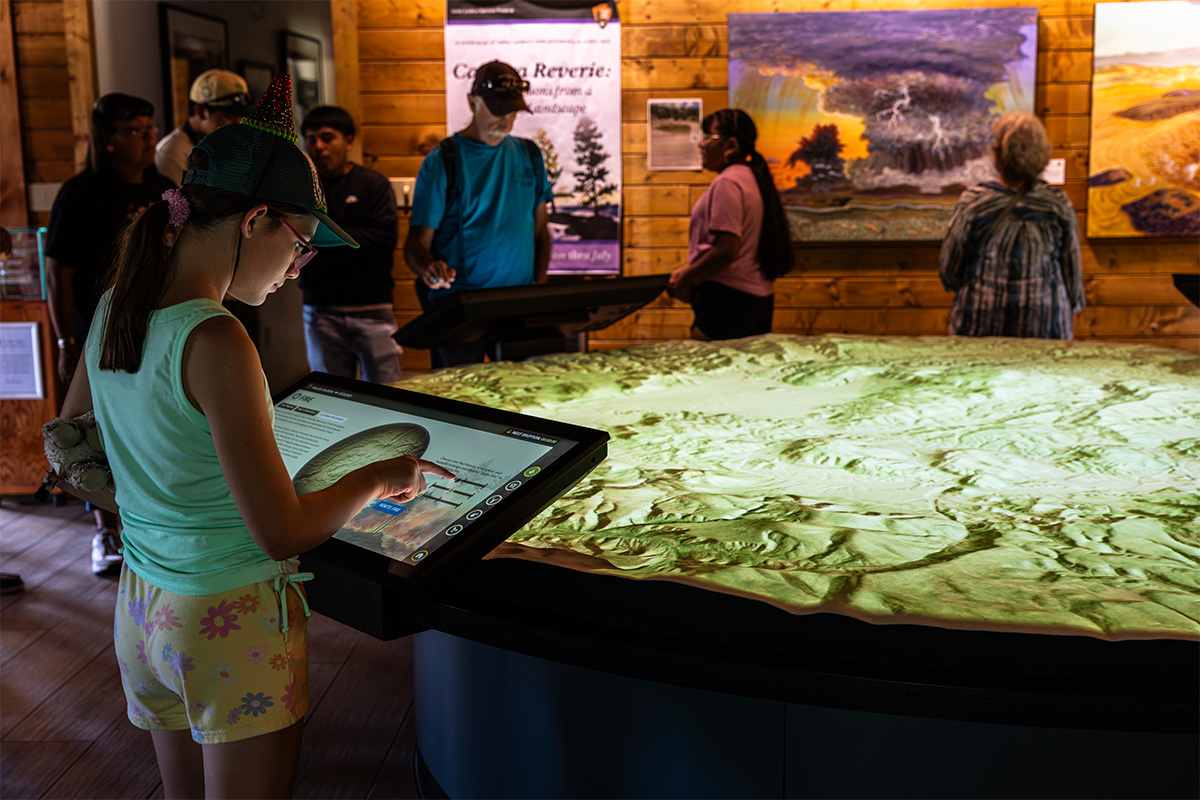
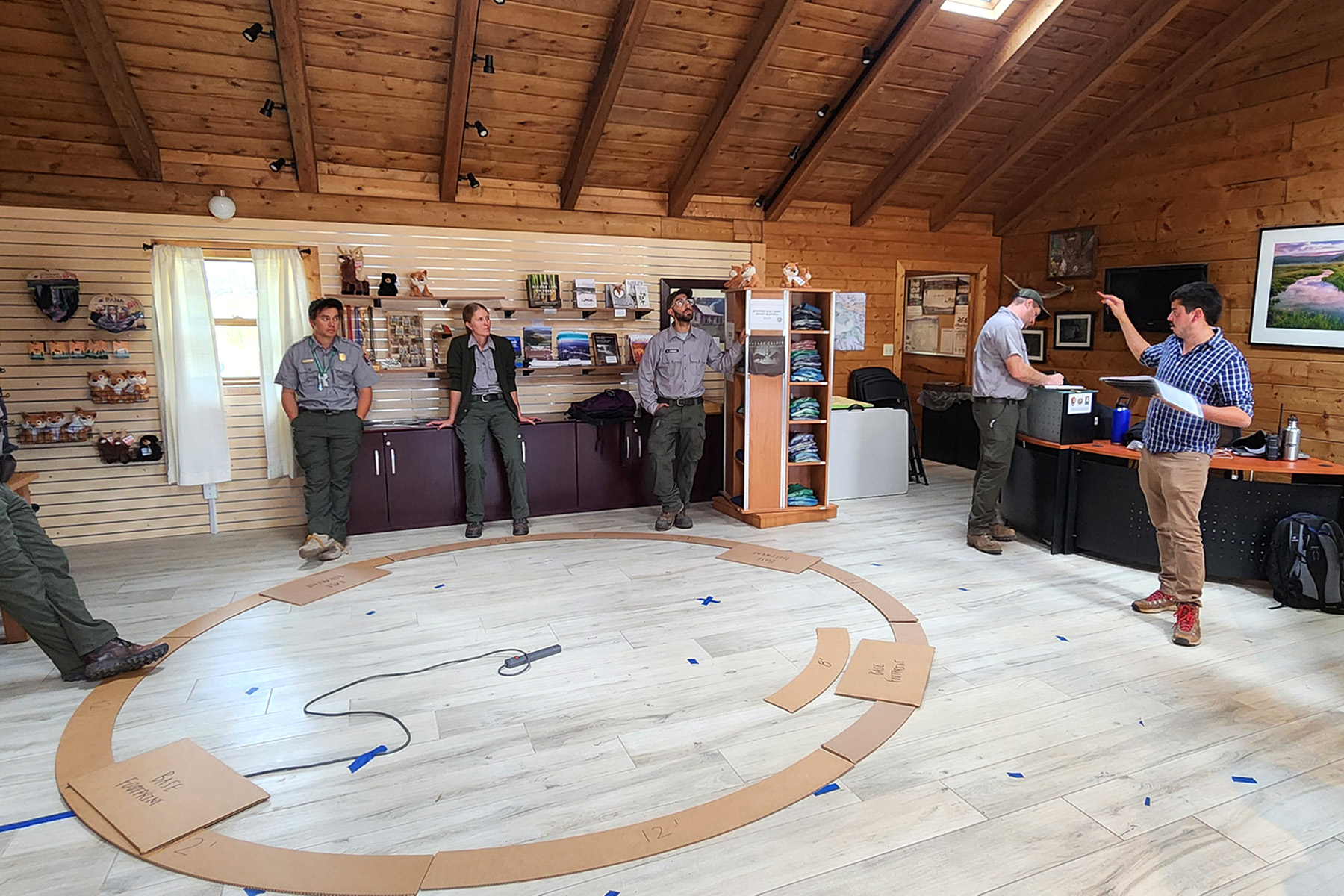
For the Valles Caldera National Preserve interactive, those initial discussions revolved around a deceptively simple question: ‘How can visitors understand the scale and spirit of a volcanic landscape through a projection-mapped relief ?’ The conversation led to the idea of a tactile centerpiece that would merge the physical and digital in a way that honors the landscape’s complexity. That single concept emerged directly from collaborative visioning, where open-ended exploration gave shape to the exhibit’s core interpretive goals.
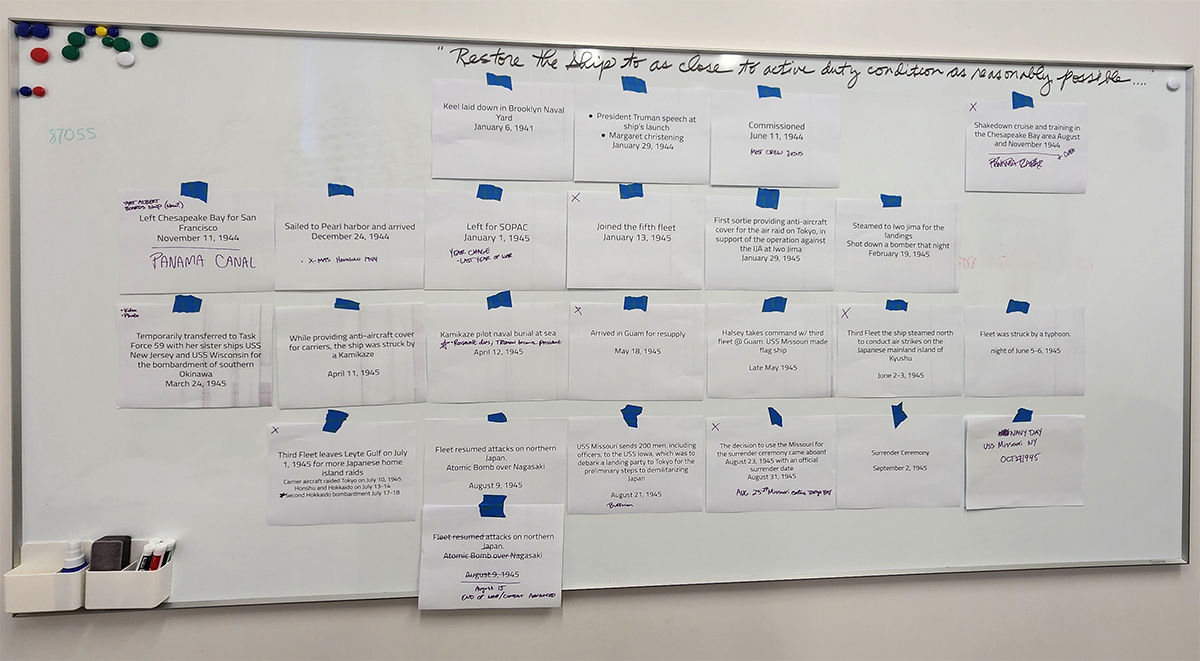
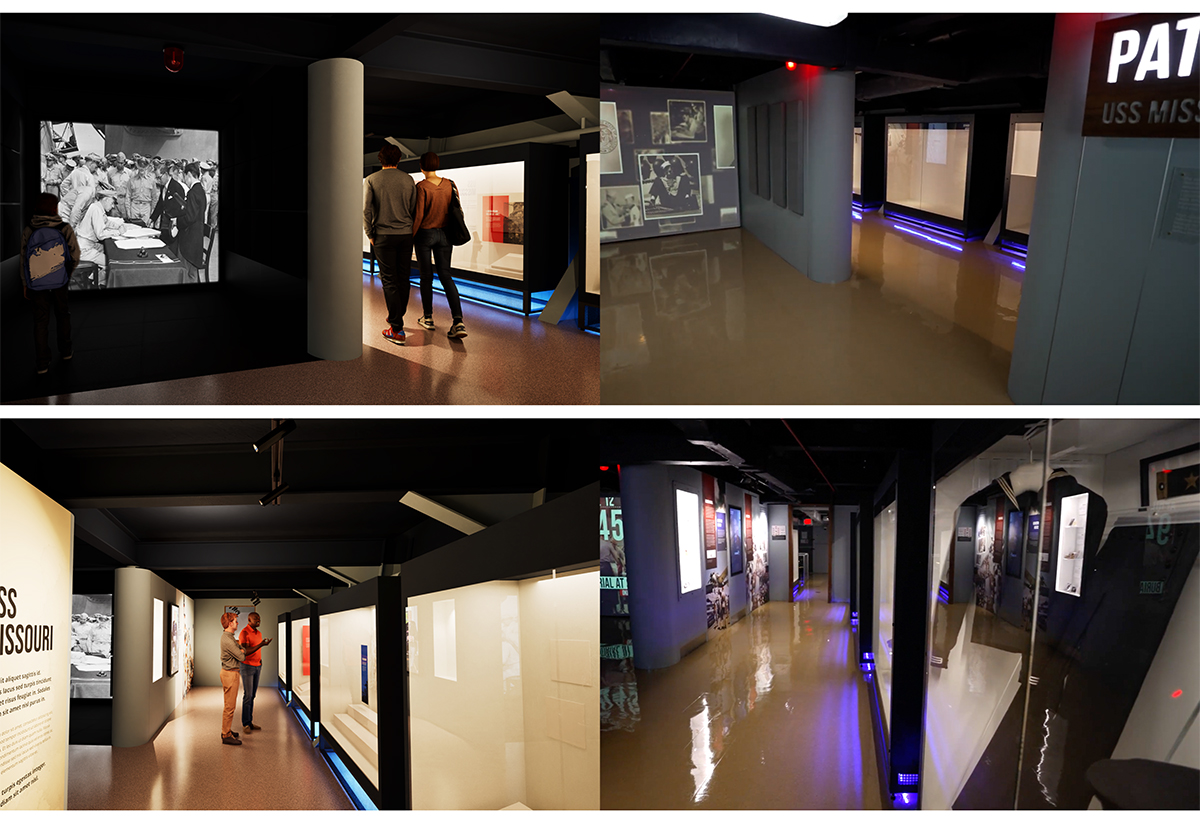
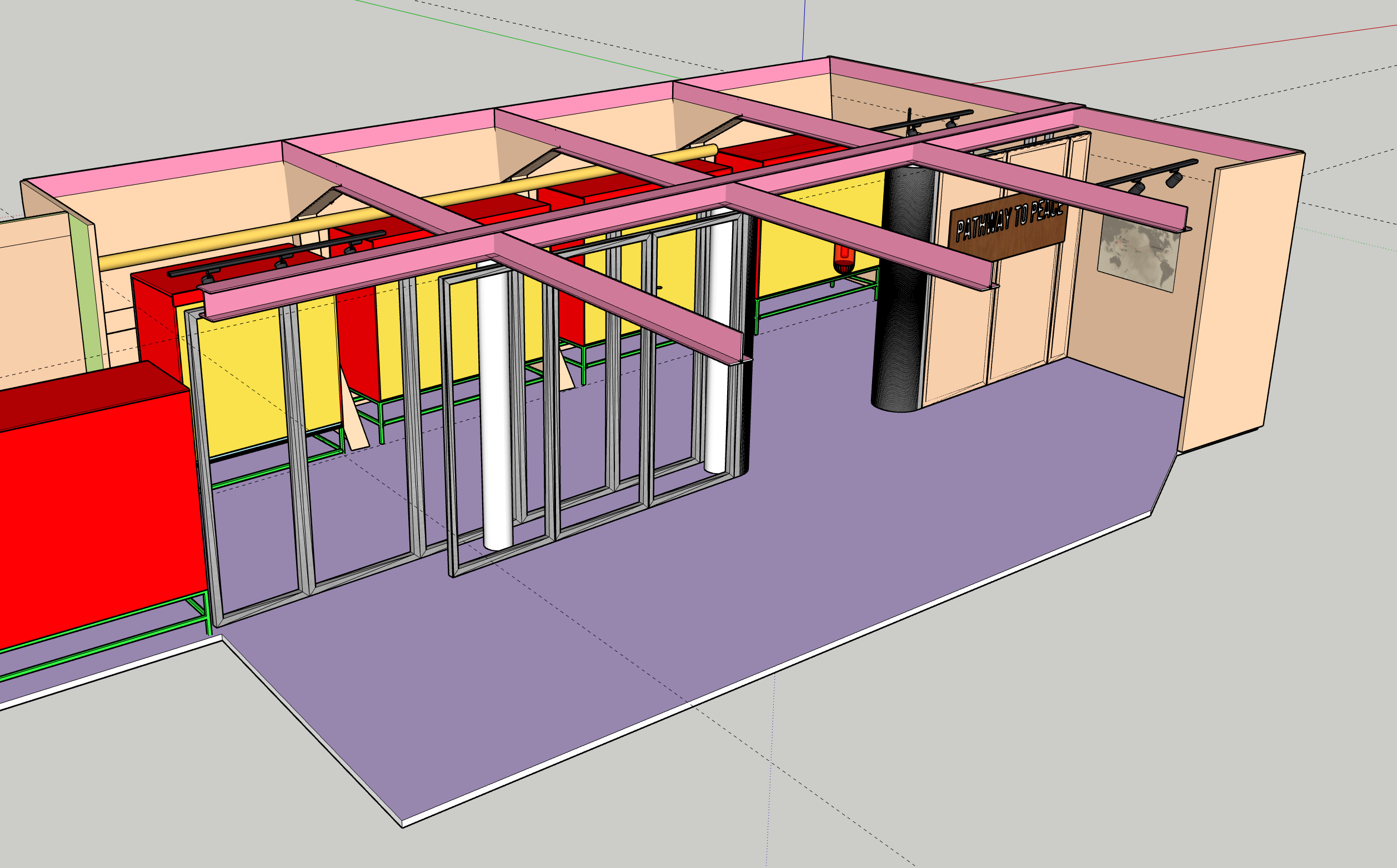
Sketches and renders are quick, imperfect, and vital to the first tangible expressions of these ideas. At Ideum, concept art evolves rapidly: pencil lines become 3D environments, and those environments become test beds for light, sound, and interaction. For Pathway to Peace: USS Missouri’s World War II Experience, the concept stage was essential in shaping how visitors would journey through the ship’s history, from its keel laying to the signing of the surrender.
The earliest sketches were simple diagrams, mapping not only space but emotion through narrow corridors, pulsing light, and a sense of urgency. As the idea matured, these sketches evolved into an immersive environment that puts visitors in the center of shipboard life during wartime. Each iteration refined how the story could be both visceral and respectful, immersive yet grounded in history.
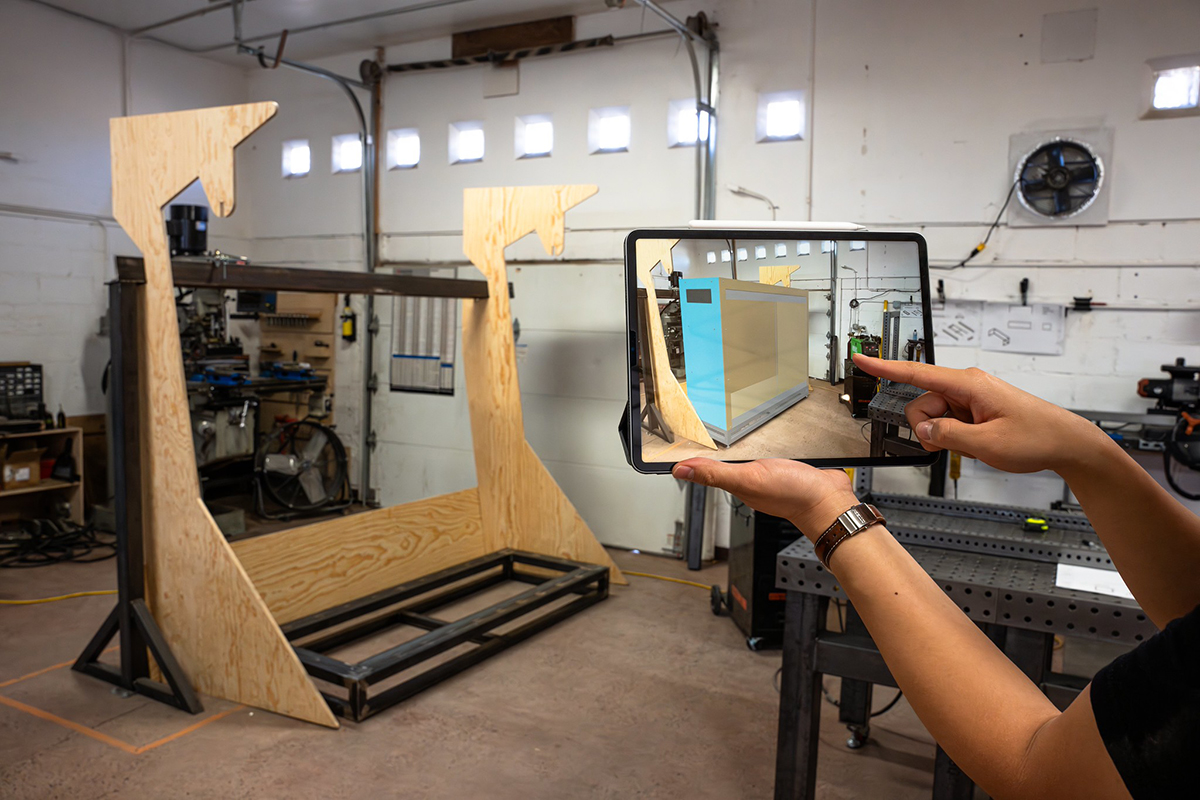
The strength of Ideum’s concept phase lies in its interdisciplinarity. Exhibit designers, developers, historians, and fabricators collaborate from the start to ensure the experience design can be realized without compromise. In the Valles Caldera project, this approach was especially critical. Hardware and software teams worked together from the earliest sketches to test how projection mapping would align across the model’s complex topography. Those early experiments informed not only the projection strategy but the entire visitor experience; how people would approach, interact with, and understand the exhibit.
Interpretive planning, at its heart, is storytelling. Long before any exhibit is built, the emotional rhythm of the visitor’s journey is composed in these early explorations. On Pathway to Peace, one guiding principle took shape early and held firm through every stage of development: transformation from conflict to peace. That theme informed everything that followed, from the lighting transitions to interface motion and interpretive tone.
The concept phase provides clarity, cohesion, and creative confidence. It ensures that every decision, whether visual, spatial, or technical, serves the same purpose: to tell the story as powerfully as possible. Whether charting the geological story of a caldera or tracing the journey of a battleship, this phase is where imagination meets structure, and where the foundation for every successful exhibit is built.