Nov
17
2025
_1200.jpg)
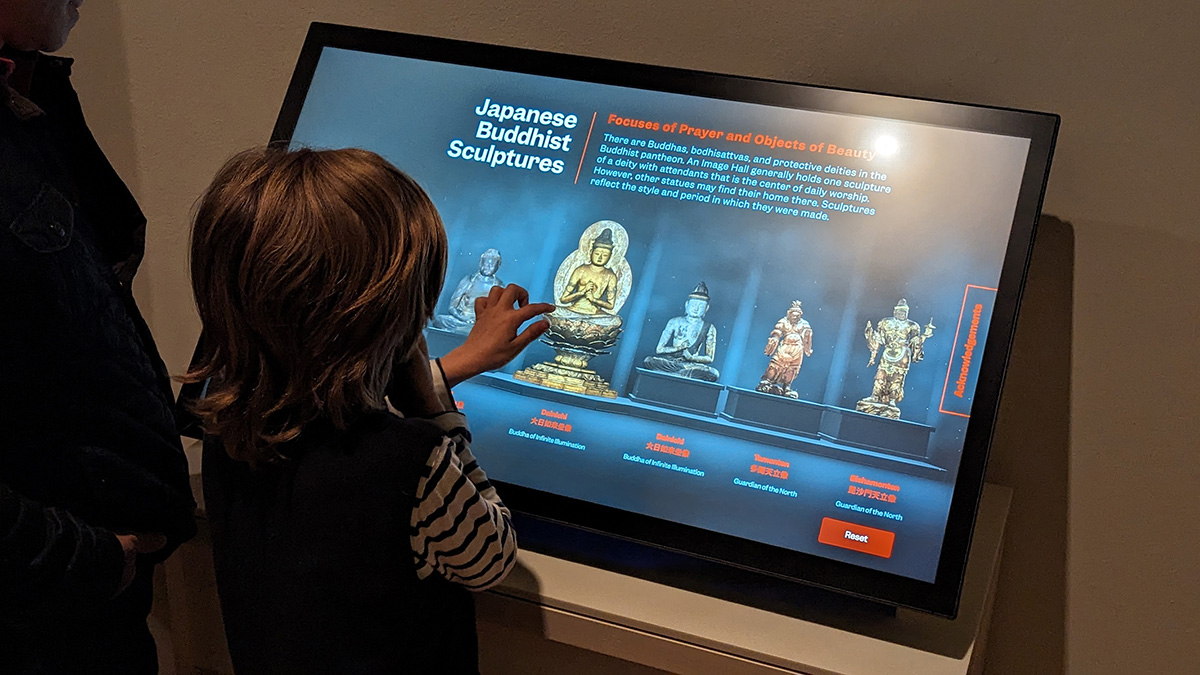
At our New Mexico-based exhibit design studio, Ideum has been exploring precisely that question for more than two decades. Our work, which spans from multitouch tables to fully immersive environments, demonstrates how technology, when rooted in visitor-centered design, can yield transformative outcomes. Drawing on research-based principles such as constructivism, inquiry-based learning, and participatory practice, our exhibits showcase how digital design can move audiences from passive spectators to active, reflective participants in their museum experience. Let’s take a closer look at how Ideum’s designs shape what matters most: the visitor outcomes that define a truly transformative museum experience.
For many of us, meaning is made through action; through direct engagement with ideas, objects, and evidence. At the North Carolina Museum of Natural Sciences, Ideum’s Dueling Dinosaurs experience puts this idea front and center.
Rather than presenting fossilized remains as static artifacts behind glass, this exhibit invites visitors to become active investigators. Using Ideum’s multitouch interfaces, visitors can manipulate high-resolution CT-scan models of fossils, rotate skeletal components, and peel back digital layers to explore how paleontologists study these specimens. By giving visitors access to the same data used by paleontologists, the experience transforms visitors from passive observers into active collaborators in the scientific process.
The result? An experience that goes beyond learning about paleontology and into doing paleontology. Each gesture, be it zooming, rotating, or comparing specimens, mirrors the hands-on inquiry that drives real scientific discovery, reinforcing that understanding grows through exploration, not merely through exposition.
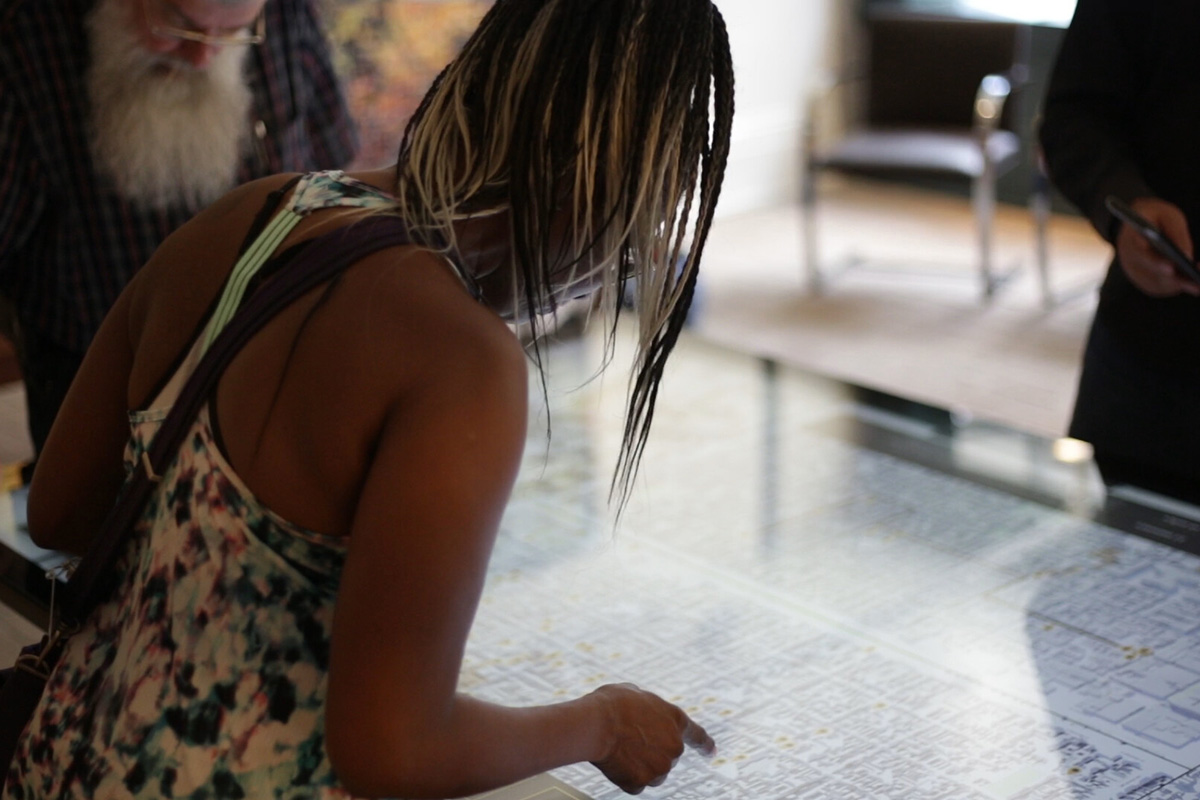
For others, meaningful museum experiences happen when we have choice and control over our engagement. Ideum’s work at the Historic New Orleans Collection reflects this belief in self-directed exploration.
Together, we created French Quarter Tours, an exhibit that pairs an in-gallery interactive with a mobile companion app, extending the experience beyond the museum’s walls. On a large-format touch screen table, visitors are able to explore layered maps and narratives from the French Quarter’s storied past, revealing the district’s evolution through architectural heritage, personal stories, and archival imagery. Visitors are free to follow a variety of interpretive threads tracing the development of Creole townhouses, uncovering the legacy of historic jazz venues, and examining the Quarter’s unique cultural identity, to uncover the stories that resonate with them.
The companion app takes this exploration out of the theoretical and into the real by connecting visitors to self-directed walking tours through the streets of New Orleans. Visitors can personalize their routes, unlock multimedia content, listen to audio narration, or watch short videos tied to specific locations. Each new piece of media that they unlock on their walking tour adds context and enriches their experience. This transition from digital exhibit to real-world environment empowers visitors to become active interpreters of place, rather than passive recipients of information.
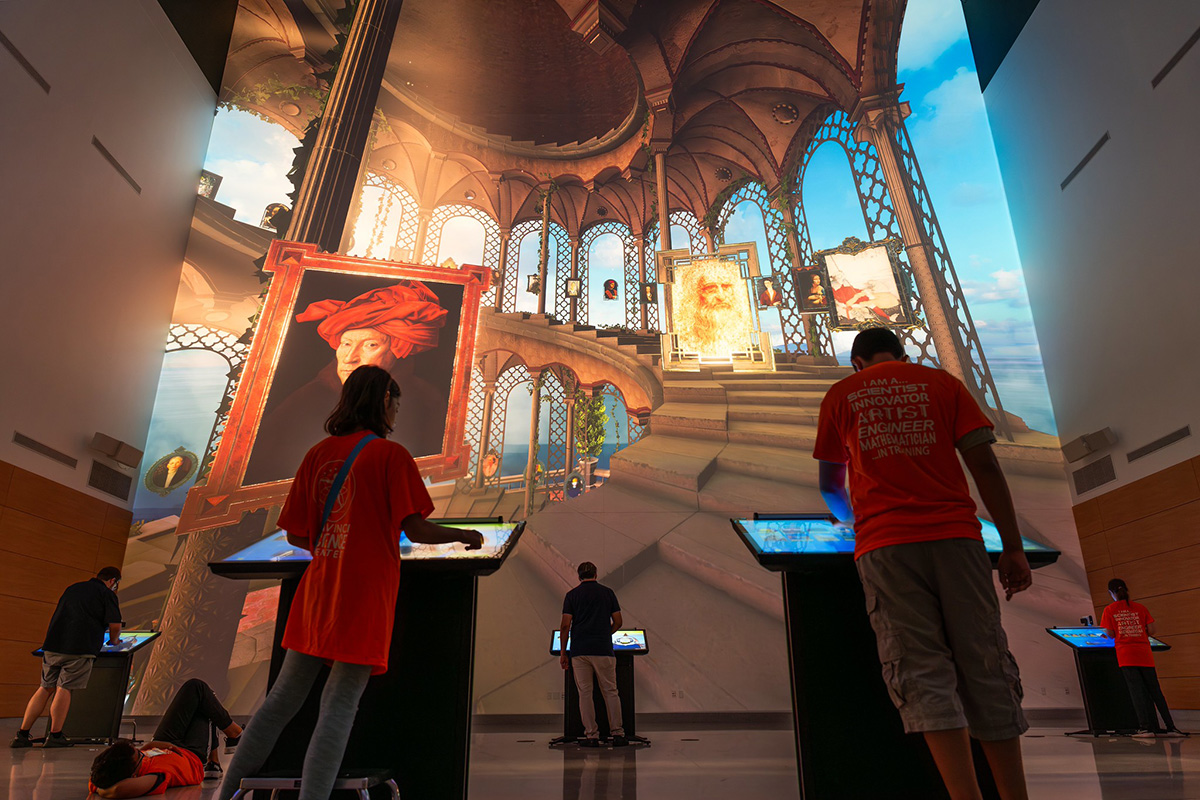
What makes a museum visit memorable? Often it’s when we’re invited to think like a scientist, artist, or maker. Inquiry-based and experiential learning allow for the opportunity to illuminate process, not just present content. And Ideum’s work at the Da Vinci Science Center’s Curiosity Hall leans into that spirit by blending inquiry and play.
Here, digital and physical worlds merge: visitors design flying machines, or sketch self-portraits inspired by Leonardo da Vinci, then see their creations come to life in a floor-to-ceiling projection. Each experiment becomes visible, making the creative process itself part of the experience.
As visitors test, adjust, and iterate, they engage in the same spirit of curiosity that drives discovery. The result is an environment where art and science are partners in understanding. Ideum’s technology becomes a bridge between imagination and evidence, fostering learning that feels personal, hands-on, and alive.
Visitor studies consistently show that learning in museums is as much about emotional and social connection as it is about content. Ideum’s interactive installations at the Museum of International Folk Art (MOIFA) and Valles Caldera National Preserve exemplify how technology can deepen these connections.
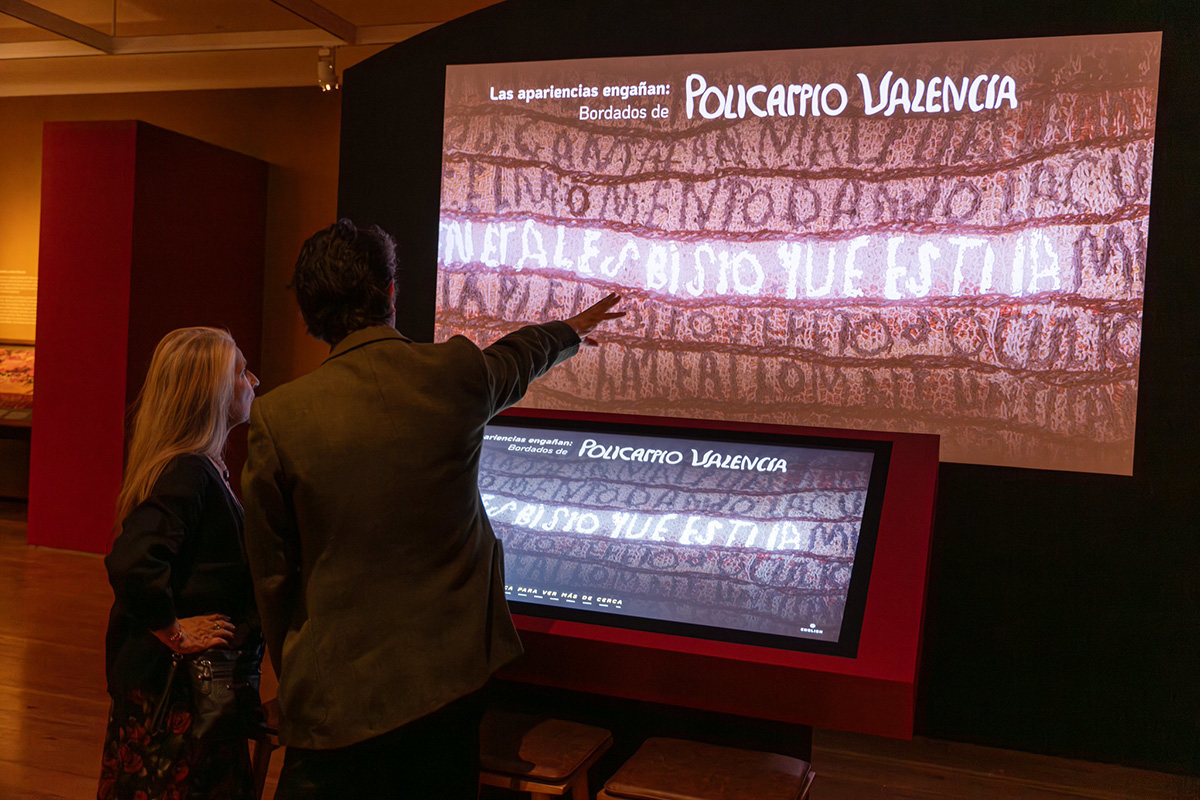
At MOIFA, Appearances Deceive invites visitors to engage directly with the voices behind the work. Visitors use an Ideum touch table to explore both sides of embroidered textiles by Nuevomexicano artist Policarpio Valencia, while narration by the artist’s descendants brings the bilingual text embroidery to life, connecting audiences directly to personal and cultural histories of folk artists in New Mexico.
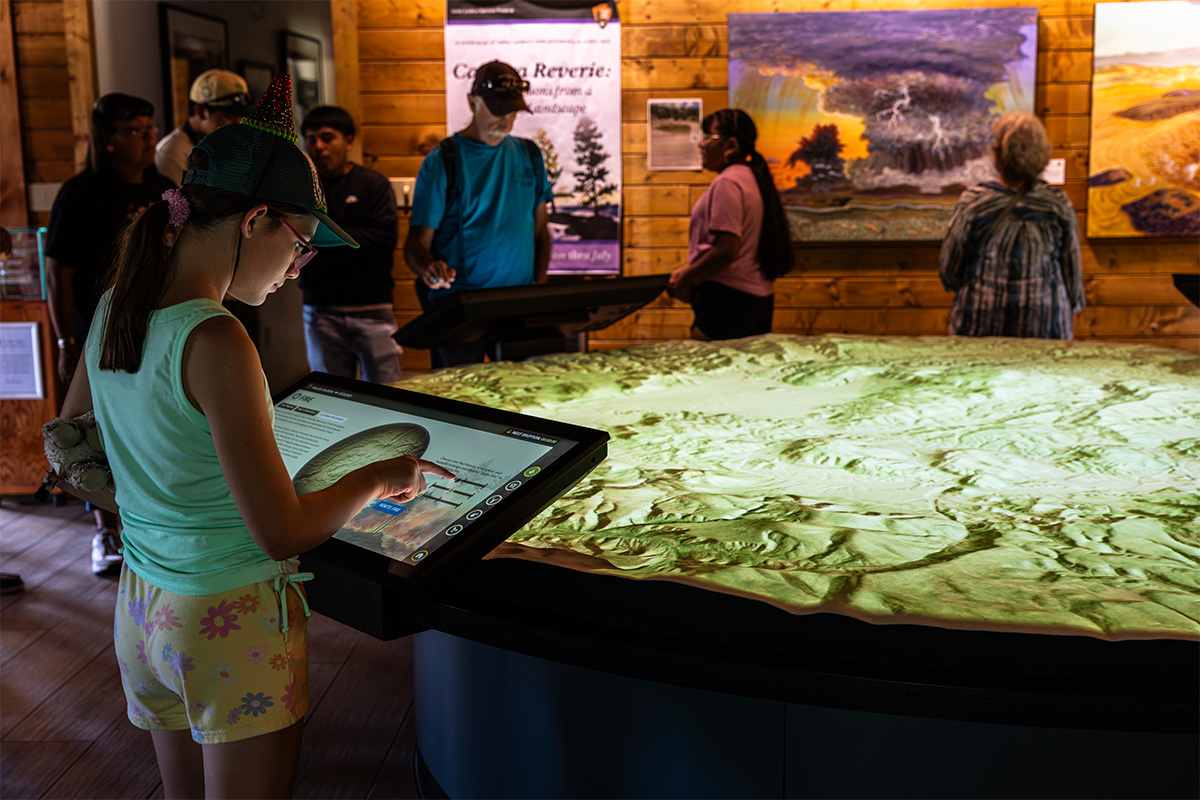
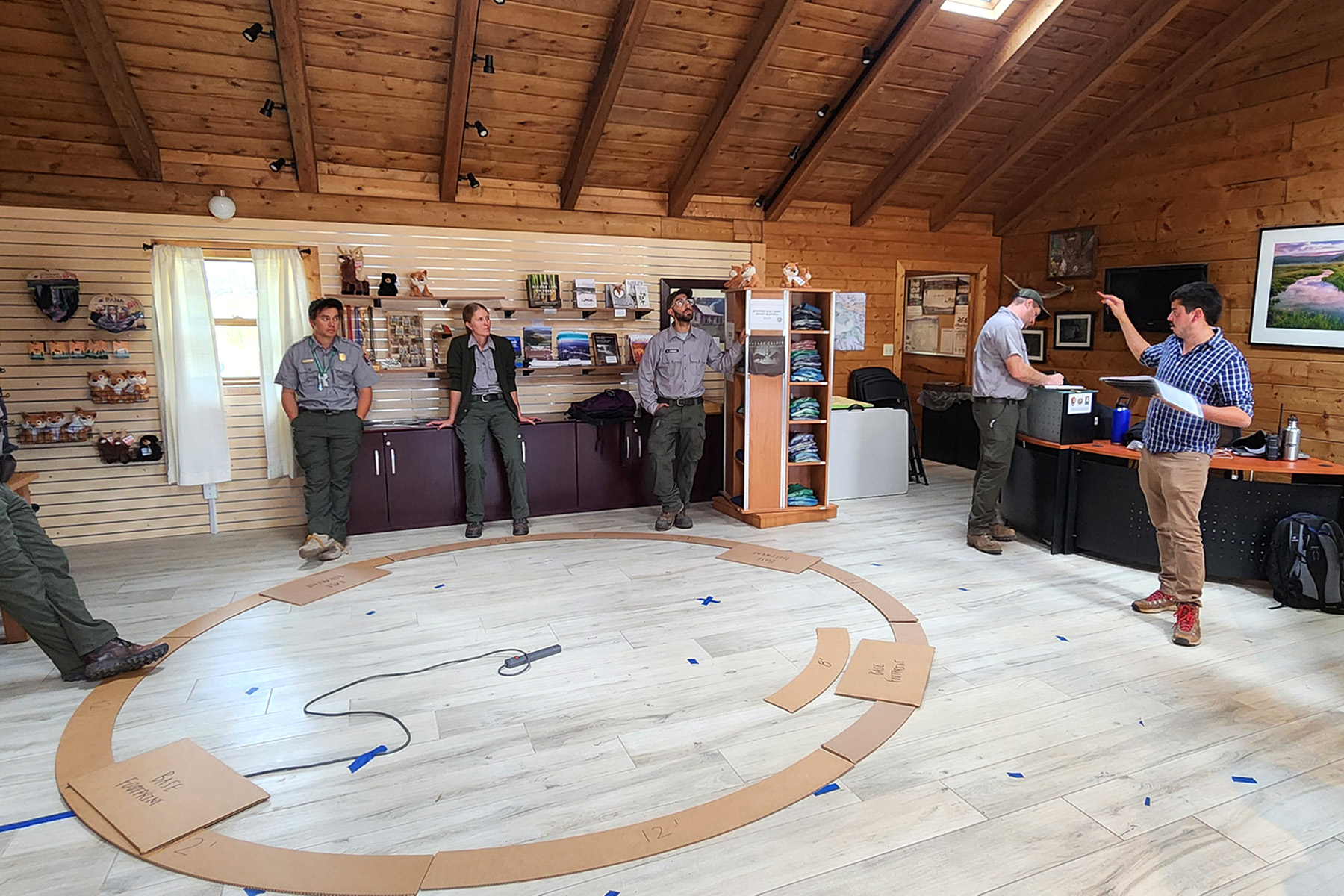
At Valles Caldera National Preserve, Ideum collaborated with 38 Pueblo communities (indigenous communities of New Mexico) to ensure that Indigenous perspectives shaped both content and interface design. This co-creative process centers authentic community engagement and produces an interpretation that resonates more deeply with visitors, while platforming the voices of the land’s traditional stewards over those of settlers. This work continues, as Ideum works with Pueblos with traditional ties to the Caldera to develop programs that will offer visitors a deeper understanding of the area’s significance to Indigenous communities in Northern New Mexico. The result of this ongoing collaboration is a platform where storytelling, cultural memory, and ecology intersect, creating experiences that are both informative and culturally resonant.
Across all our projects, one principle unites Ideum’s work: a focus on outcomes, not just hardware. Our work demonstrates that digital interactives can foster agency, understanding, empathy, and memory when guided by established museum learning principles.
For museum professionals, we believe the takeaway is simple: technology should serve pedagogy, not spectacle. When interactive media honors curiosity, emotion, and co-creation, it can transform museum experiences from temporary moments of wonder into moments of lasting insight.
.jpg)