Nov
04
2025

Divergent thinking is the process of generating as many ideas as possible in the early stages of exhibit design. Rather than looking for a solution, the goal is to explore the full range of possibilities. Imagine losing your car keys: you check every drawer, corner, and surface for them. You may not find your keys immediately, but by exploring every possibility, you make sure no option is overlooked. Similarly, divergent thinking may not lead to an immediate solution, but ensures that all ideas are considered during interpretive planning, forming a strong foundation before moving toward refinement.
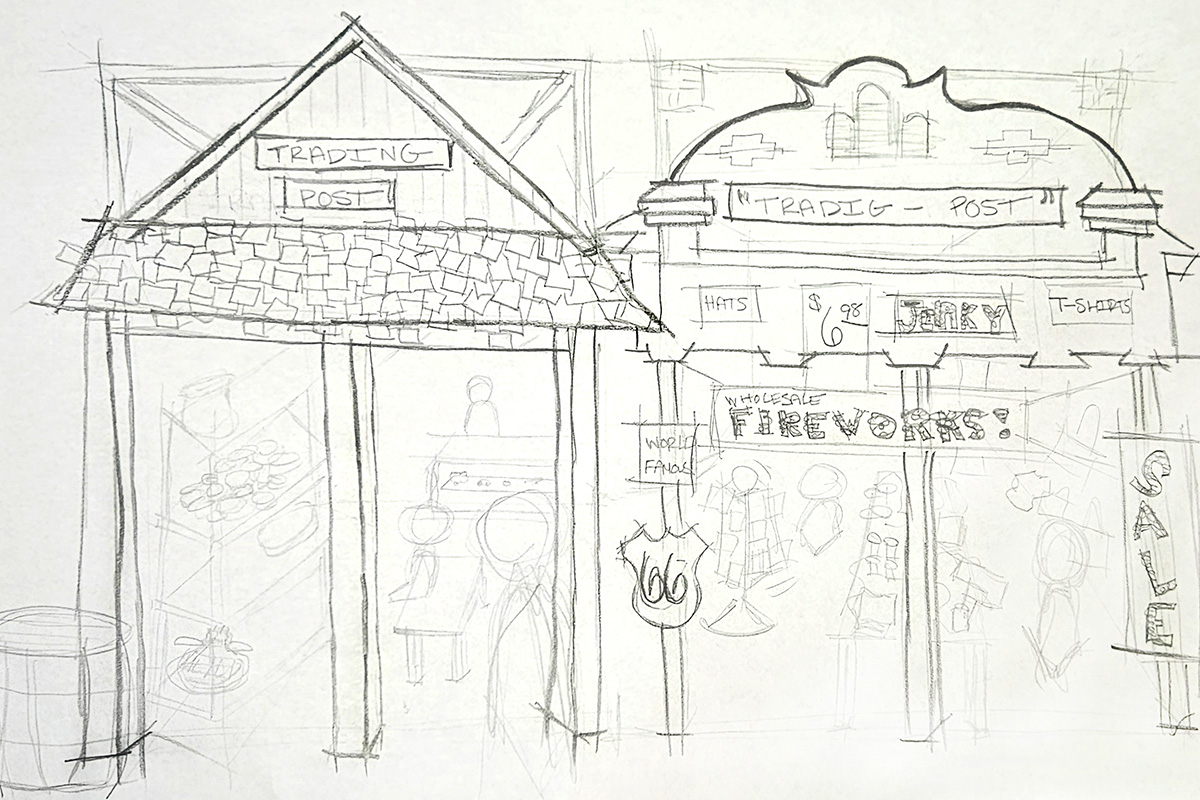
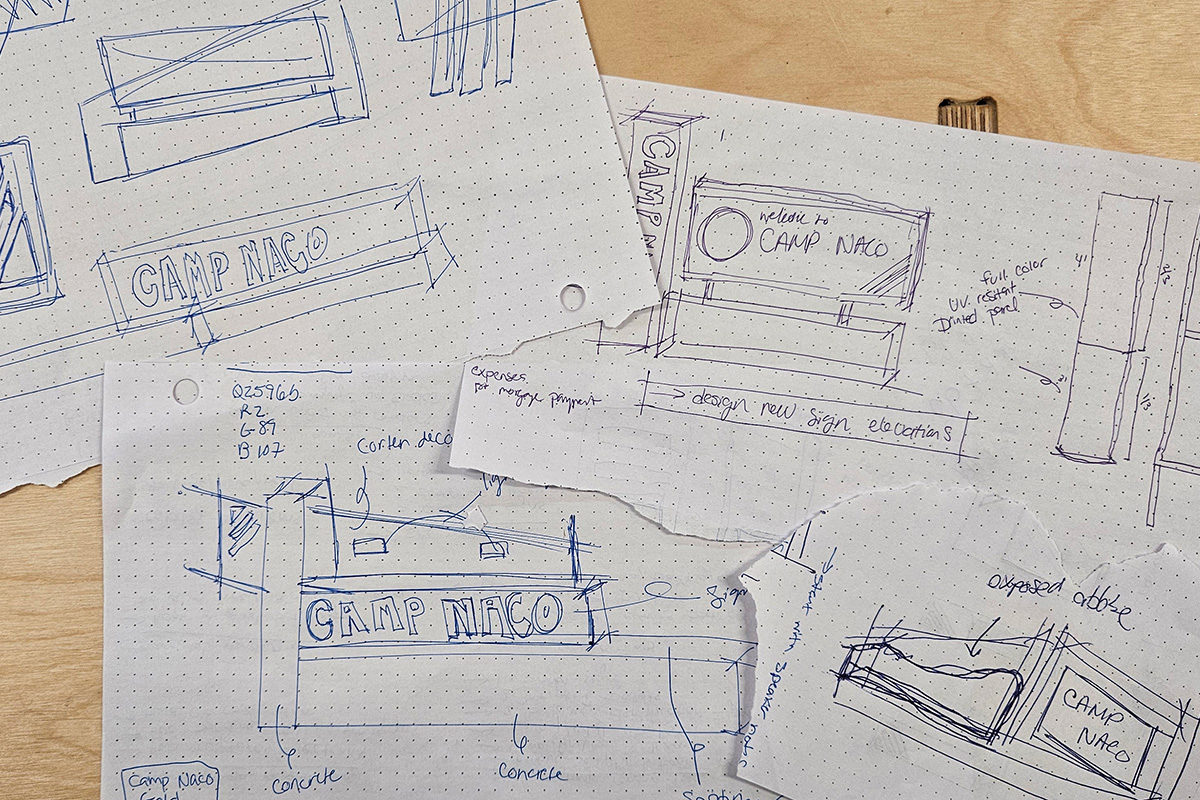
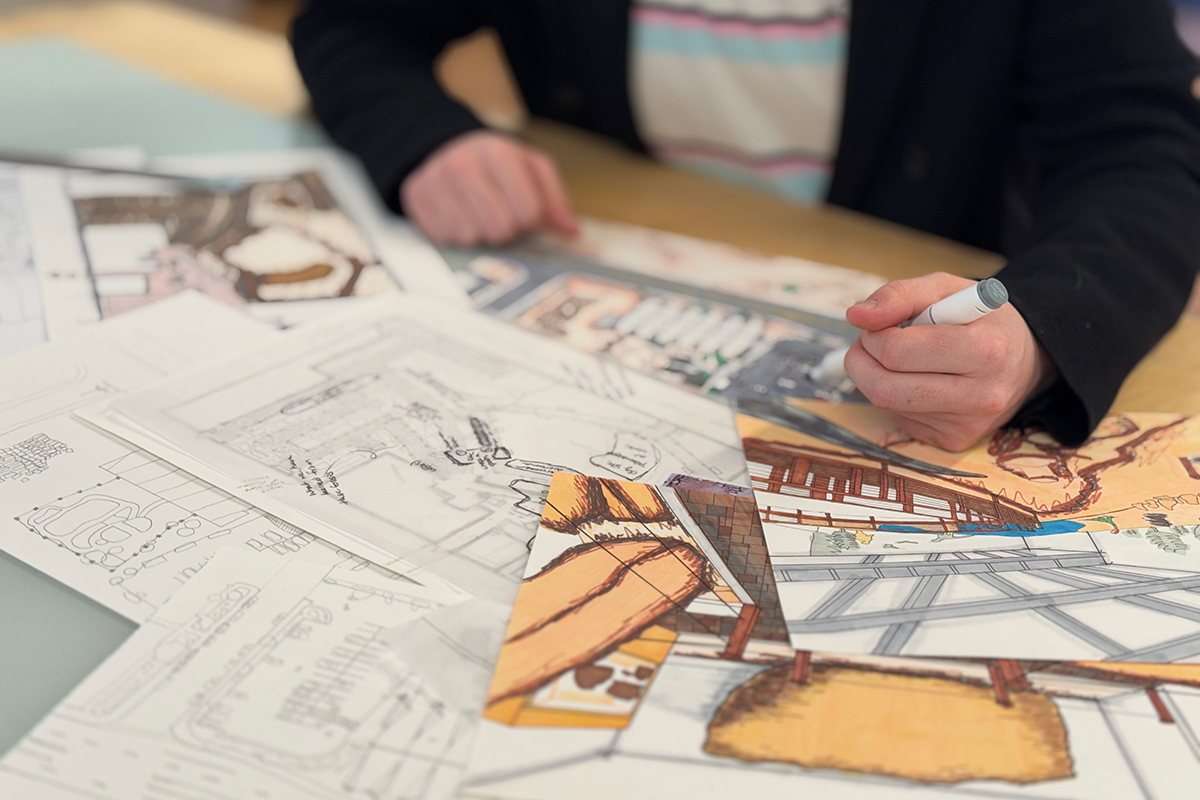
Divergent thinking takes many forms. It might involve workshops where museum experts, educators, and community members freely co-create ideas. It could include sketching multiple possible signature experiences or producing quick physical prototypes to explore different approaches. Within the design team, it can mean examining the same concept through interdisciplinary perspectives, drawing on diverse expertise to expand the range of possibilities.
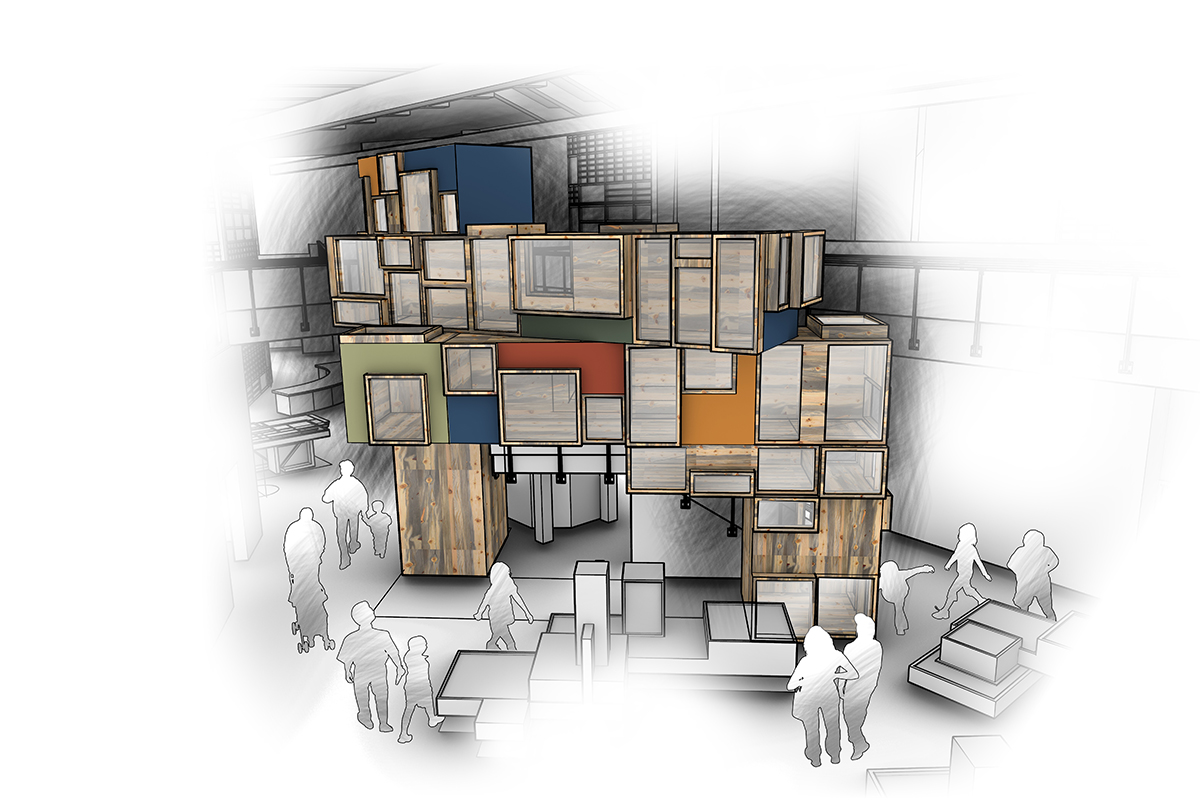
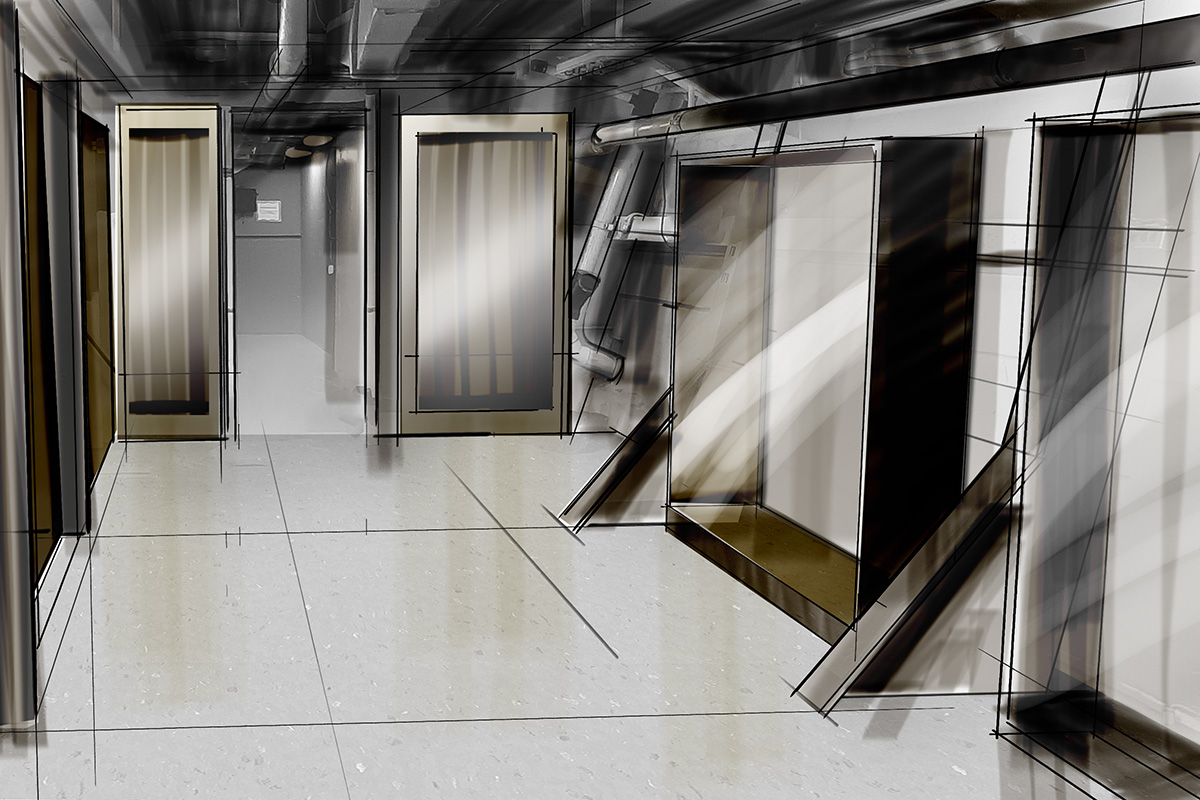
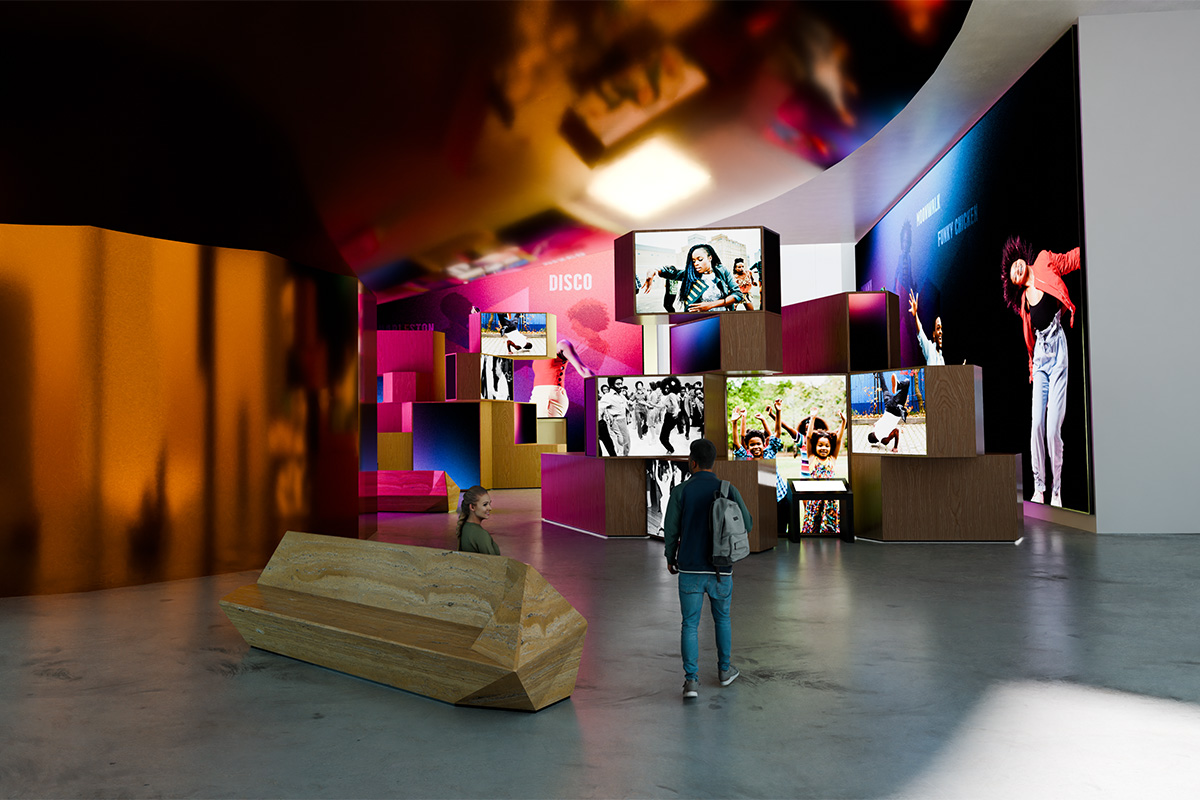
In practice, this approach often involves bringing together a wide range of voices to ensure ideas are fully represented. At Ideum, workshops are part of the exhibit design process, where community voices, museum leadership, and other experts gather to share their ideas. During the concept design process itself, teams may explore multiple directions for color palettes, graphics, or interpretive layouts, generating a variety of creative possibilities. Designers later may iterate on specific aspects of a more final design as they become clearer, generating additional ideas while reinforcing collaboration with stakeholders. This iterative, divergent approach informs not only individual exhibit elements but also the broader interpretive vision over many versions.
It is important to keep the concept design phase open, curious, and collaborative. By embracing exploration over refinement, exhibit design teams and museum partners can uncover unexpected connections and lasting ideas. This process strengthens the creative foundation of a project while ensuring that each exhibit’s story is shaped by the shared discovery of possibilities. In the end, divergent thinking reminds us that the path to clarity often begins with the courage to explore.